

Reading
Curriculum Progression
Early reading in EYFS and KS1 is taught using the Read Write Inc. phonics programme and weekly 1:1 reading sessions. 1:1 tuition and more regular reading is arranged for children who are reading below the expected level or struggling to make progress. All children take home a RWI reading book at the appropriate level as well as a reading book from the library of their own choice. Phonics lessons are also made available online as part of the children’s homework. All children are carefully assessed on a half-termly basis (more regularly if needed) and grouped accordingly. Whole class story time takes place at least daily and is carefully planned to ensure that the children are enjoying a variety of high-quality texts.
KS2 Reading is taught through daily (30-40 minutes) Destination Reader sessions with a Big Picture session taking place on a Friday that teaches children how to answer comprehension questions. Each DR session introduces new vocabulary and children are taught to reflect on texts using a variety of reading strategies including inference, prediction and making connections. There are many opportunities for children to discuss high quality texts and read independently with their talk partners. ‘Selfies’ are used to capture evidence of children using the reading skills and these are kept in their personal reading albums.
Each class has a high-quality fiction text to focus on each half term and these are supplemented with other non-fiction (usually relating to topic lessons) and poetry texts.
Children take home a reading book of their choice from the school library and, where appropriate, a Big Cat book to support their reading development. All books will be monitored regularly to ensure children are reading at the appropriate level.
Click below to learn about our Reading Curriculum Intent, Implementation and Impact:
Intent
At St. Mary’s, our goal is to develop confident, fluent and enthusiastic readers who can draw meaning from a wide range of texts and use reading as a gateway to access learning across the curriculum. We aim to ensure that every child, regardless of background or starting point, acquires secure early reading skills (phonological awareness and decoding) and develops strong comprehension, vocabulary and critical thinking. By promoting a love of reading and exposing pupils to high-quality literature, which are rich and representative of our diverse backgrounds, we strive to empower them to become book lovers, independent learners and lifelong readers.
Implementation
Reading is taught through a systematic and consistent approach that builds skills progressively. We prioritise early reading through high-quality phonics teaching and regular opportunities to apply phonics knowledge in decodable texts.
In KS2, reading instruction is delivered using the Destination Reader scheme. The programme is designed to nurture a genuine enjoyment of reading while supporting pupils to explore plot structure, language choices and the author’s purpose, alongside rich opportunities for speaking and listening.
The teaching of reading provides children with access to rich, varied and high-quality texts in a variety of ways: protected whole-class story time, guided reading, shared reading and 1:1 reading sessions. Reading is deeply embedded across the curriculum, with carefully chosen texts used to enhance knowledge in other subjects.
Our qualified teachers model fluent reading and reinforce this through regular fluency drills using strategies such as choral reading, echo reading, partner/buddy reading and guided reading. Teachers explicitly teach comprehension strategies, and provide structured opportunities for pupils to discuss, reflect and respond to texts. Regular assessment informs planning; intervention and targeted support to ensure all pupils make strong progress.
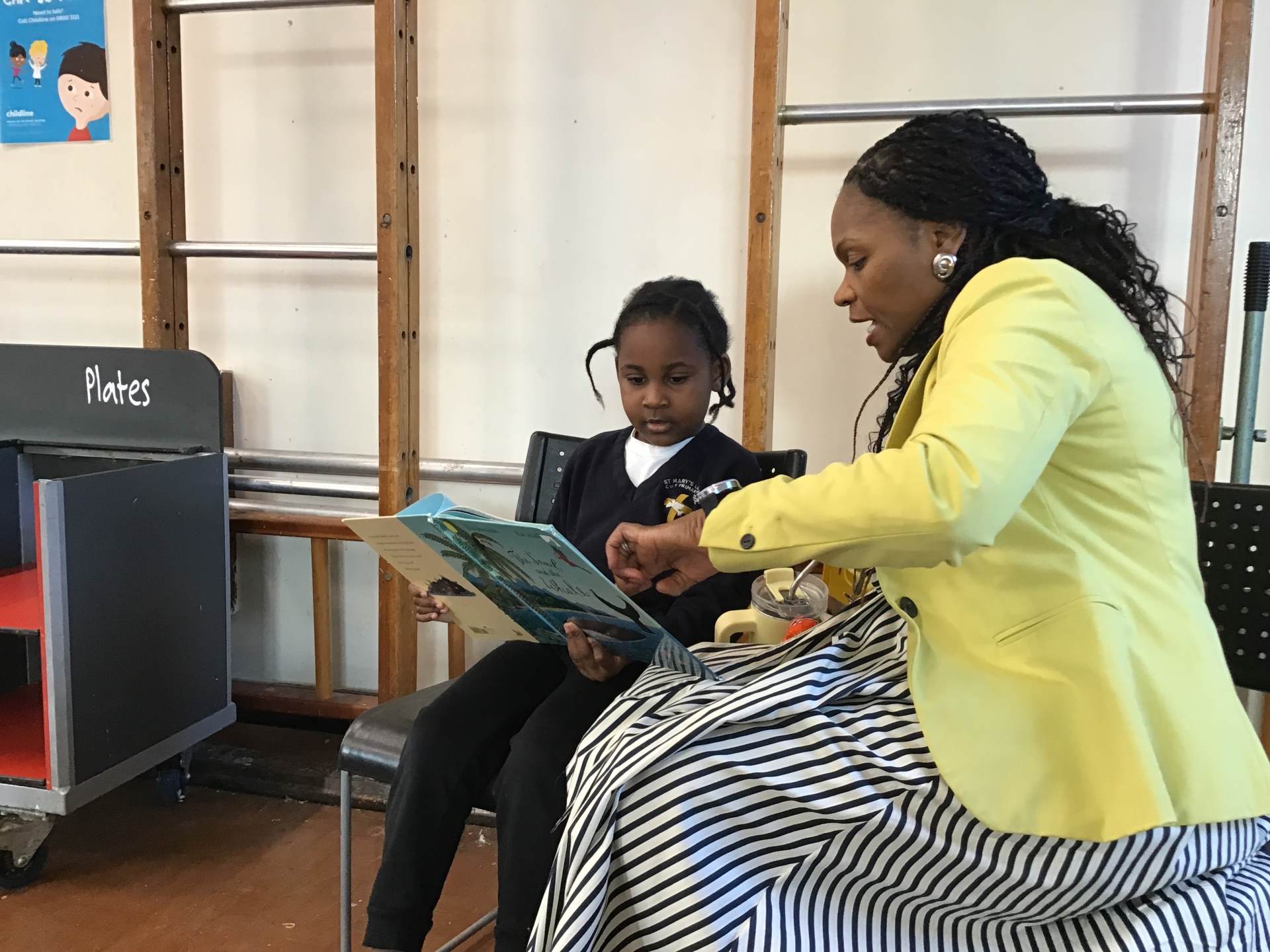
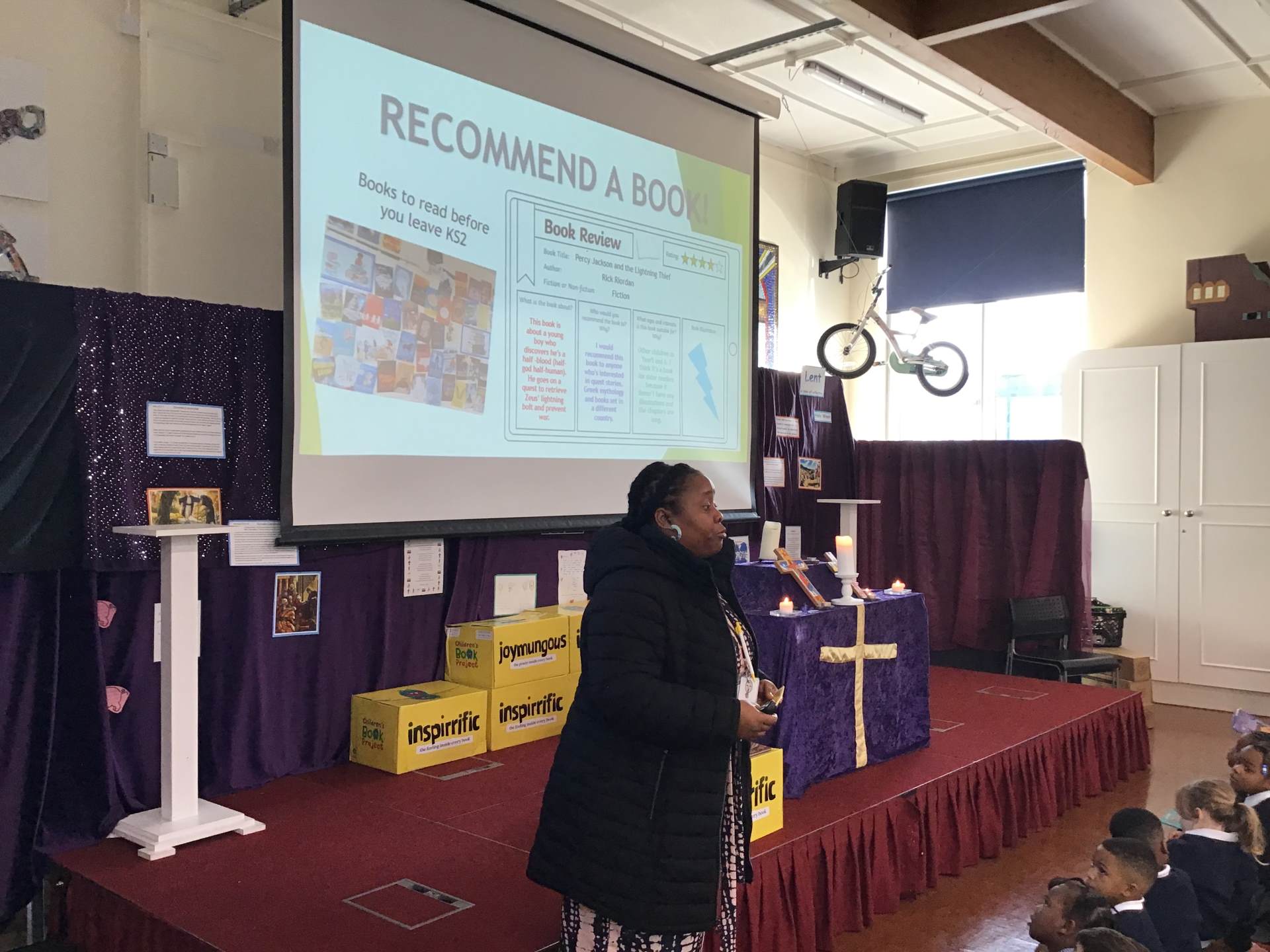
Reading for Pleasure: to promote reading for pleasure, children have access to both the class and school library where they have autonomy to choose their own books. Each week, children enjoy Book Club sessions where they share, read and recommend books they have enjoyed to their classmates. Each Book Club session ends with a Question for the Day to encourage reflection: Who is your favourite author, why? How would you rate the book you are reading now on a scale of 1-10? Why?
Throughout the year, we provide children with a range of workshops, visits and events where they enjoy the world of books: Book Week, Poetry Week, The Children’s Book Project, visits to the local library and author visits.
Impact
As a result of our approach, our children develop secure decoding skills, increasing fluency and deepening comprehension as they move through the school. They enjoy reading and read widely, demonstrating a growing appreciation of authors, genres and themes. Assessment shows that pupils make strong progress from their starting points, with the majority meeting or exceeding age-related expectations. Most importantly, our pupils leave us as confident, capable readers who can access the full curriculum and are well-prepared for the next stage of their education.
Book Week 2026
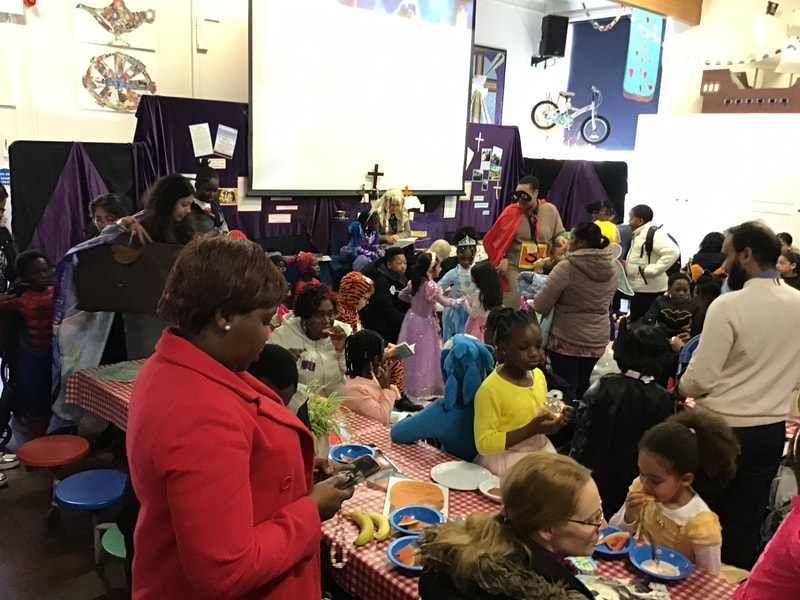
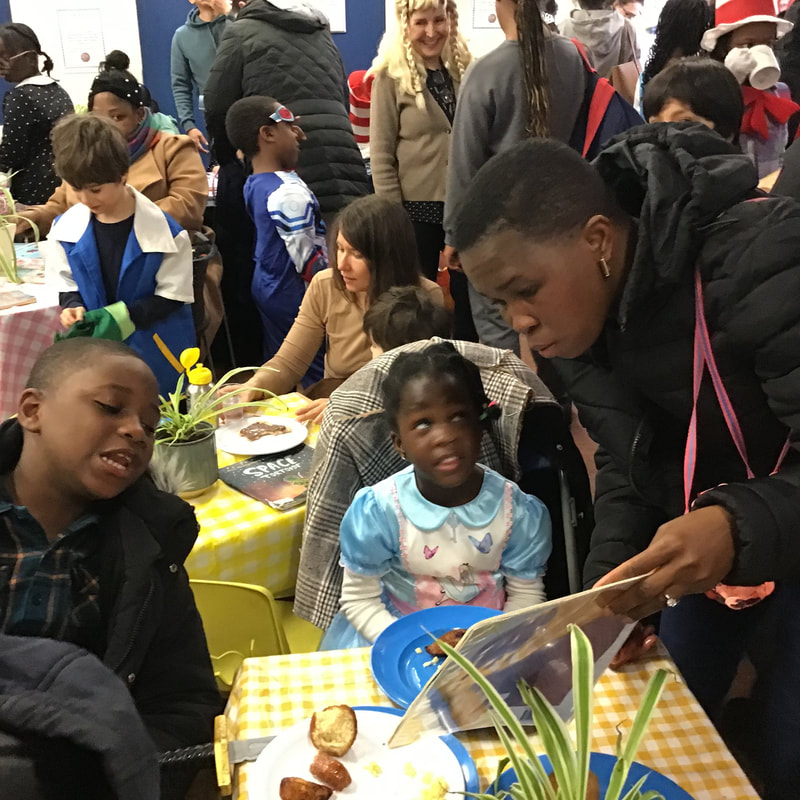
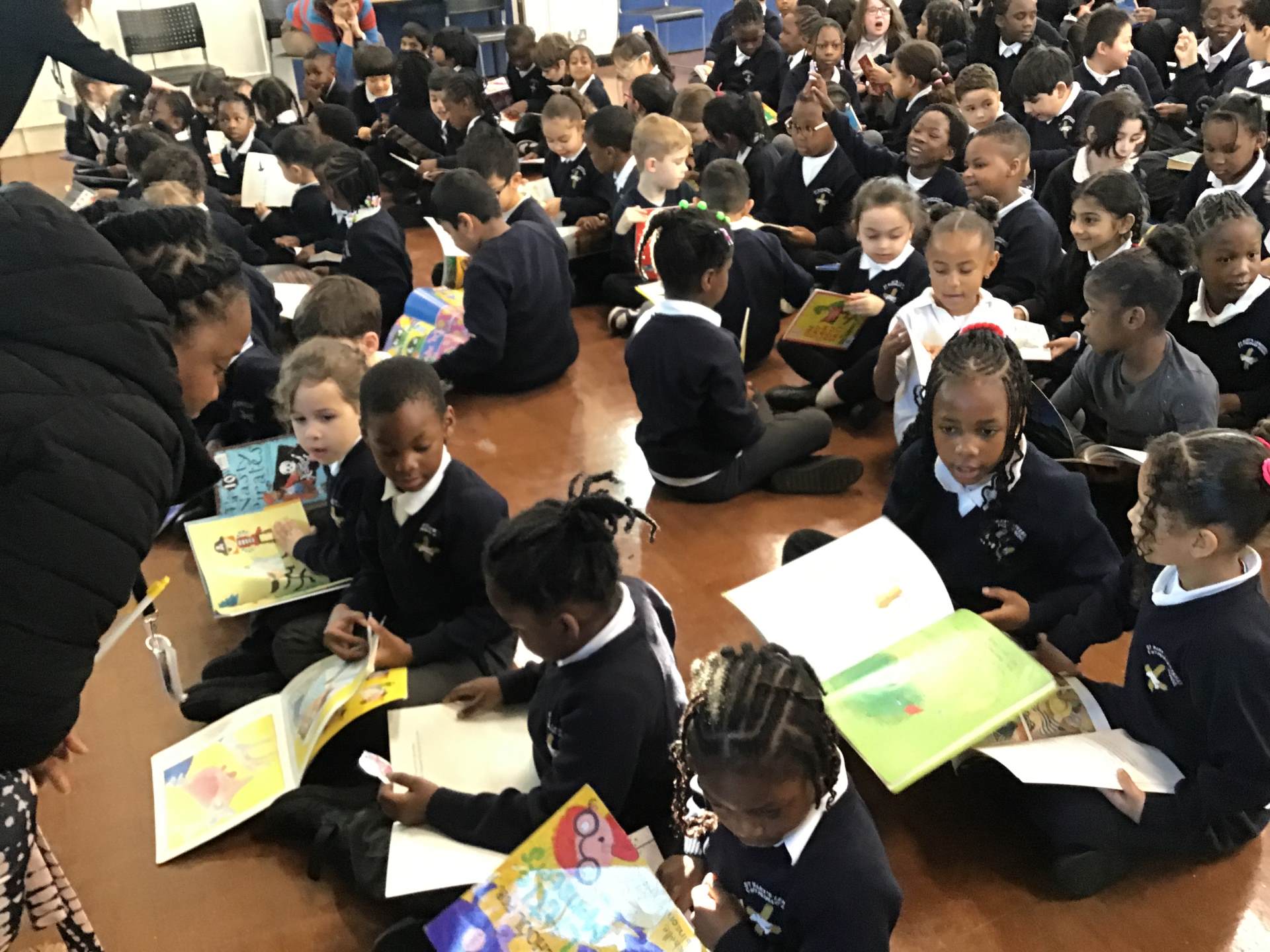
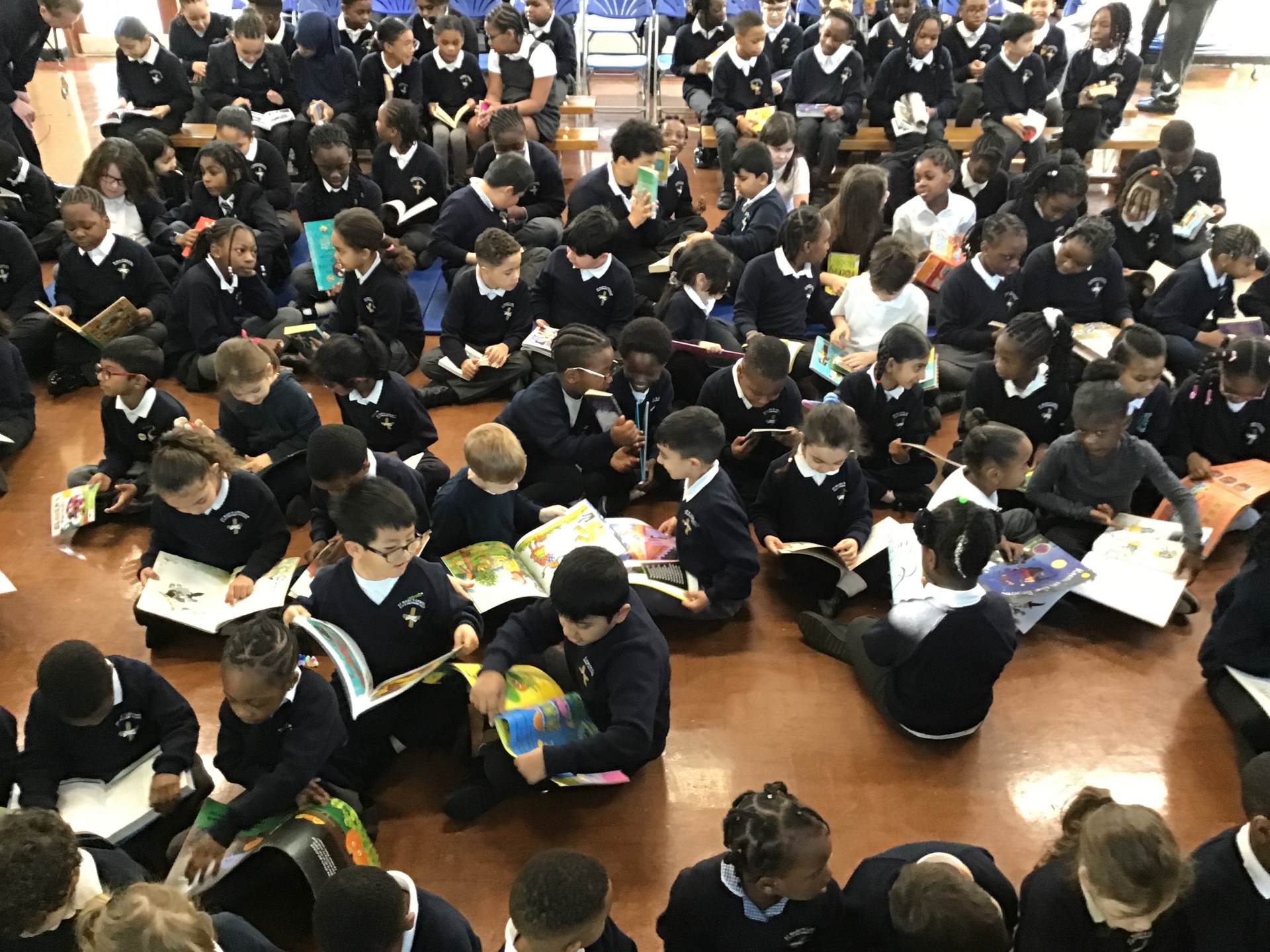
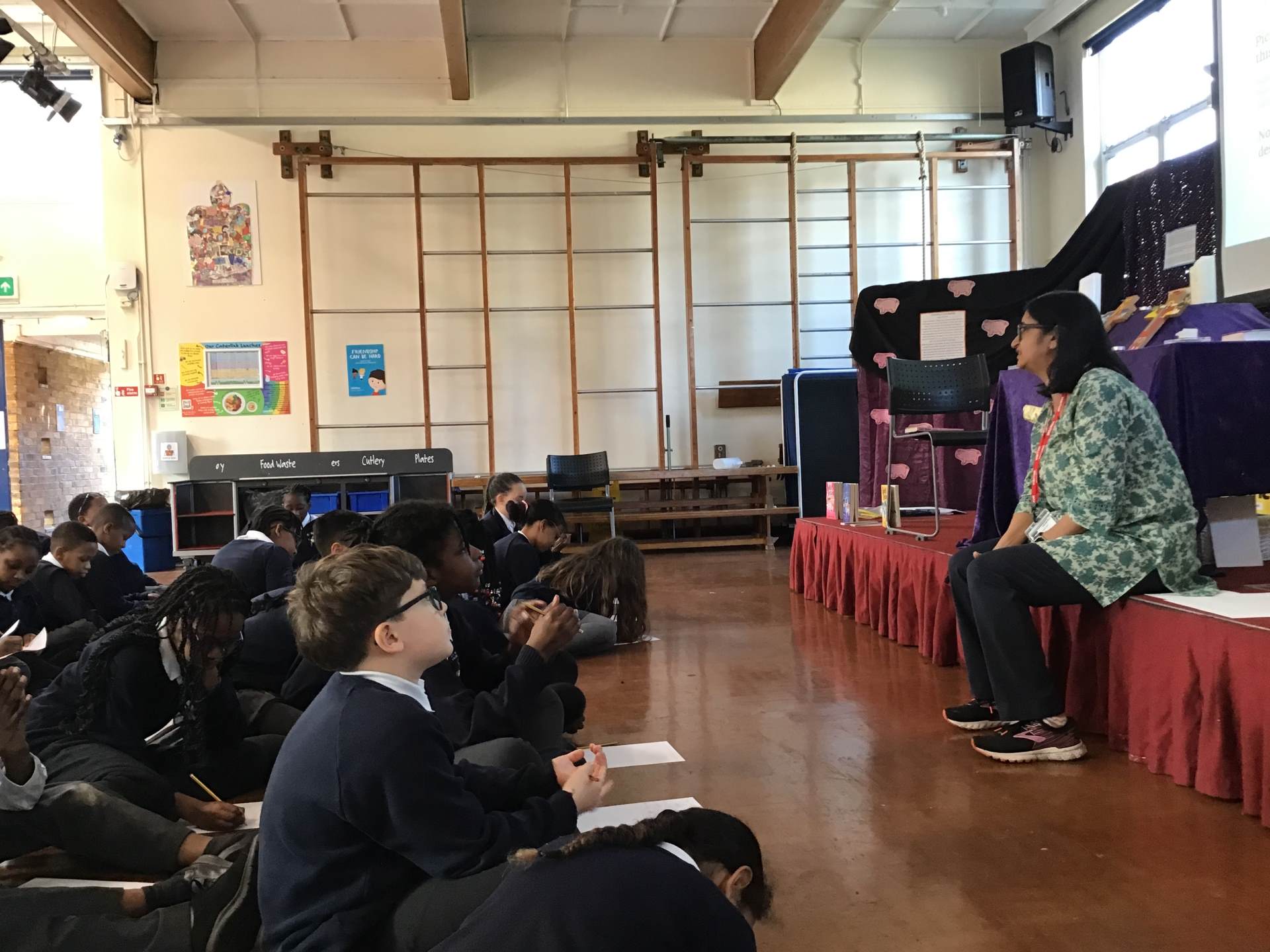
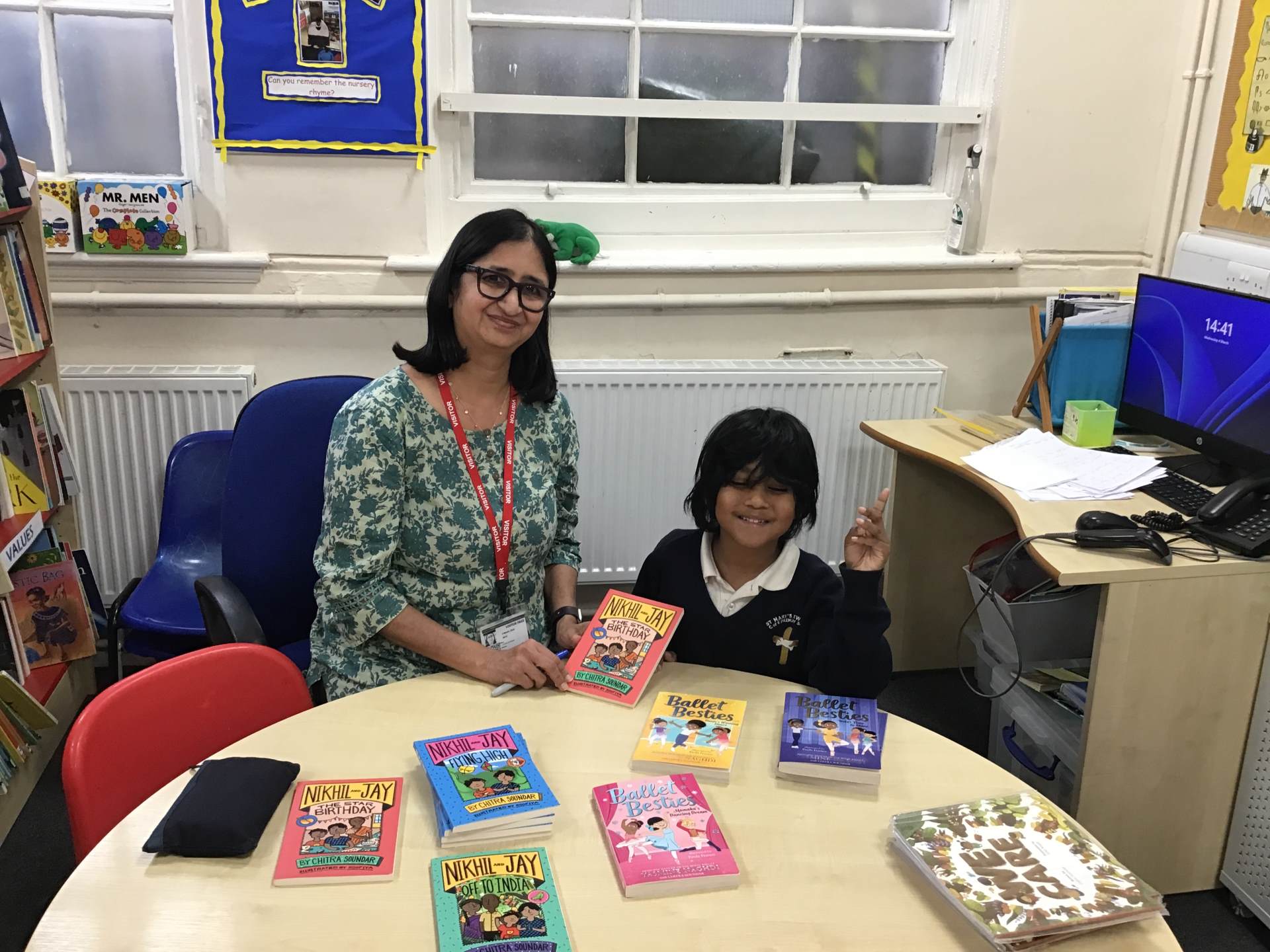
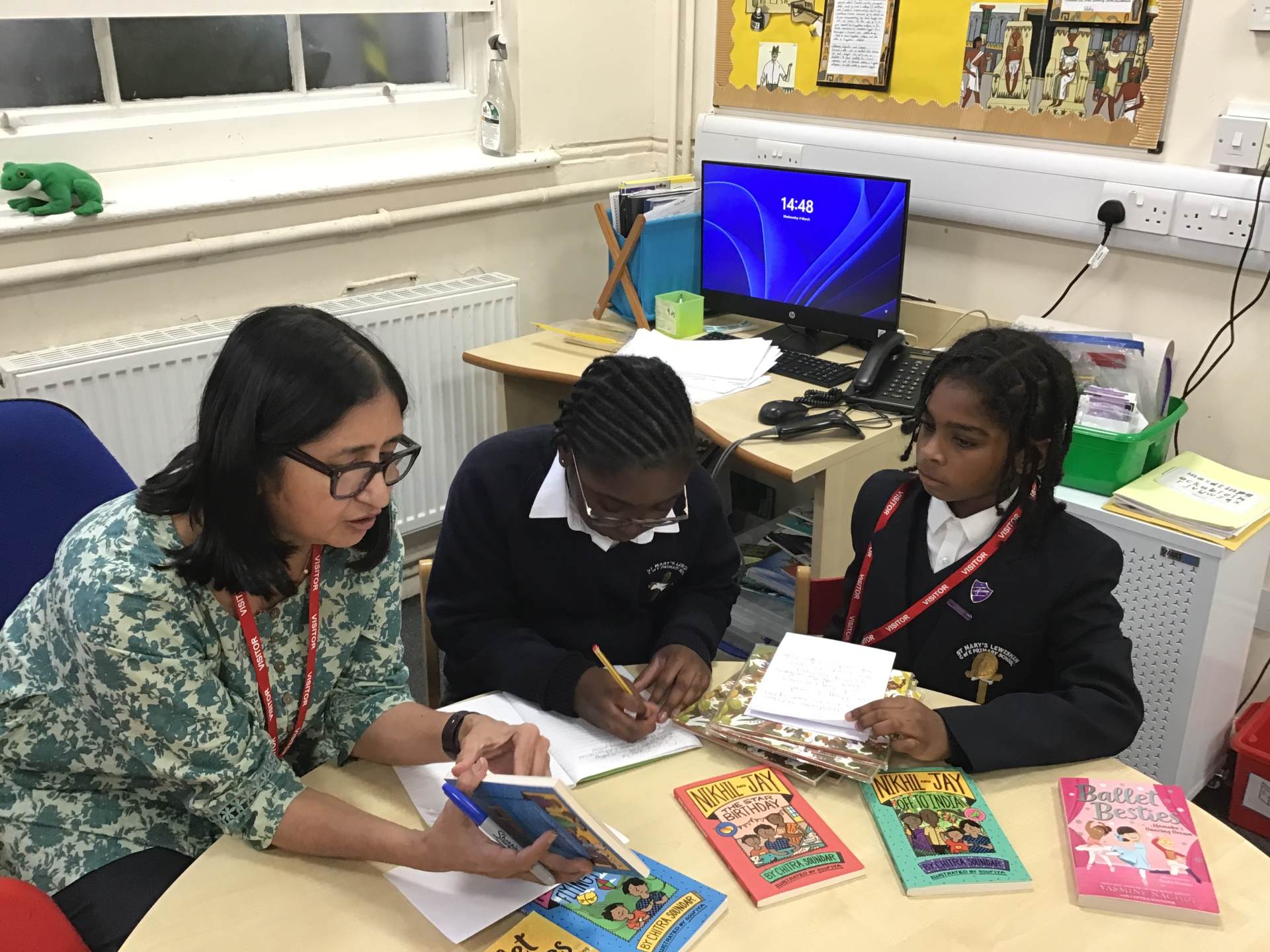
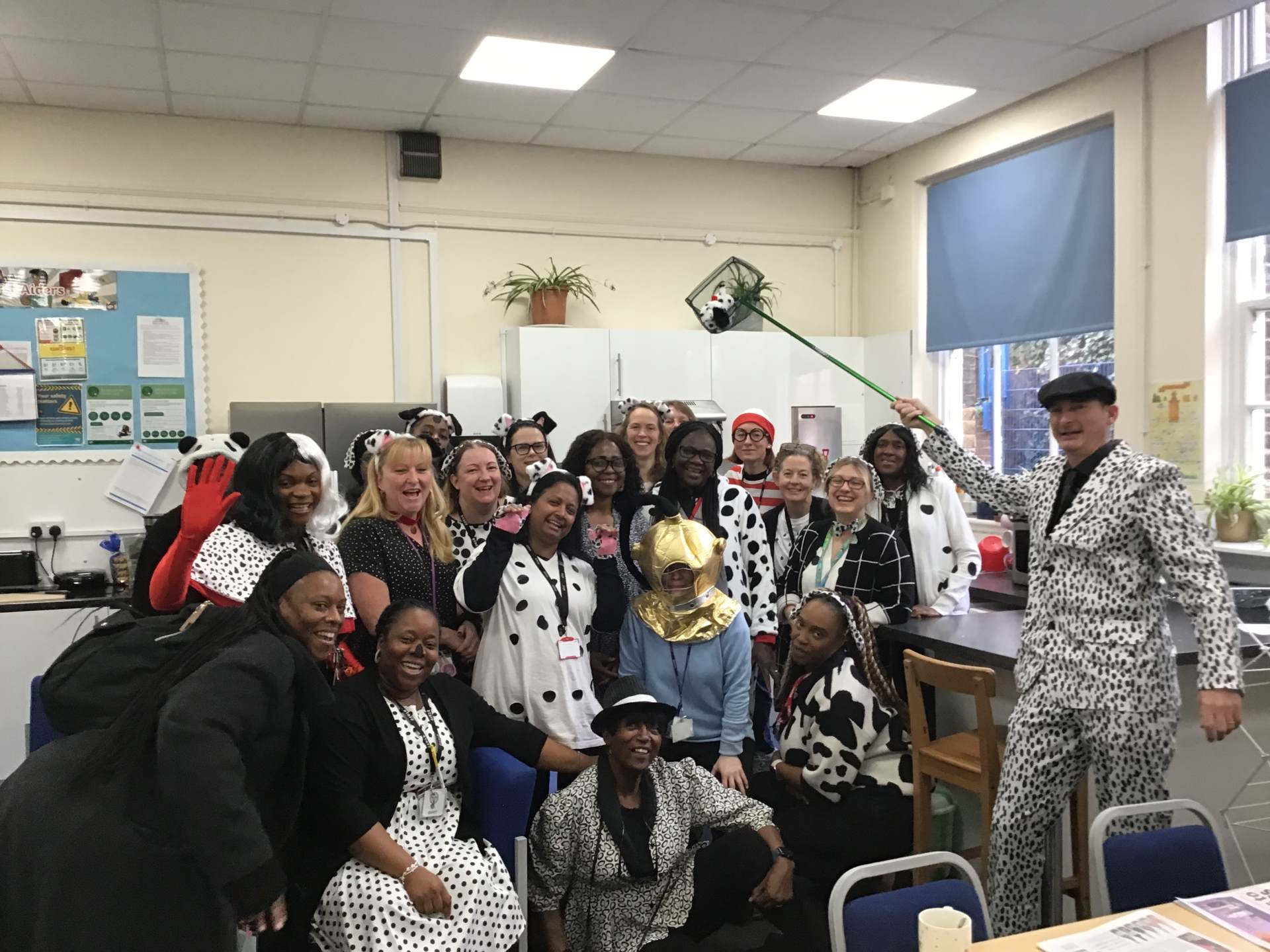
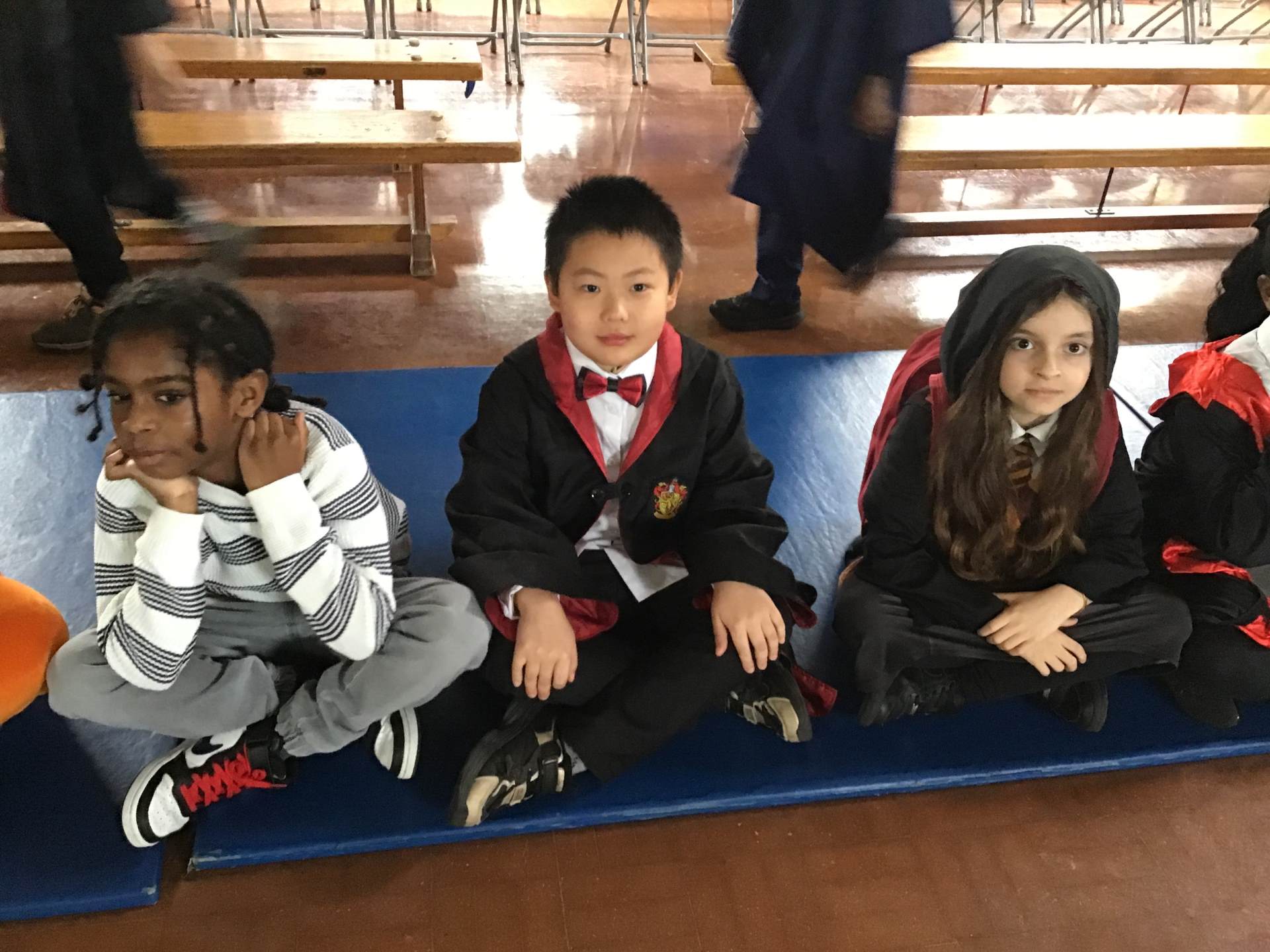
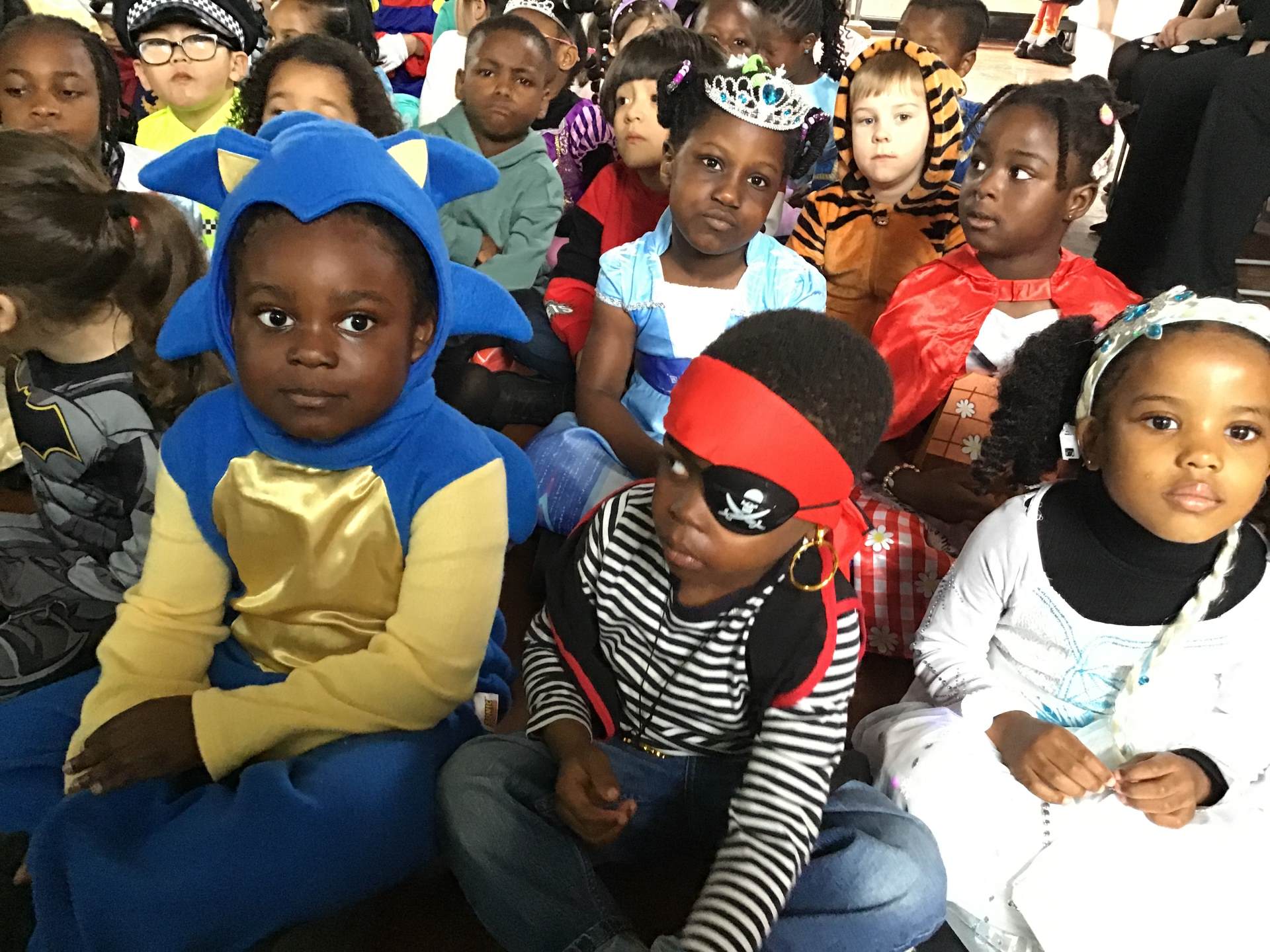
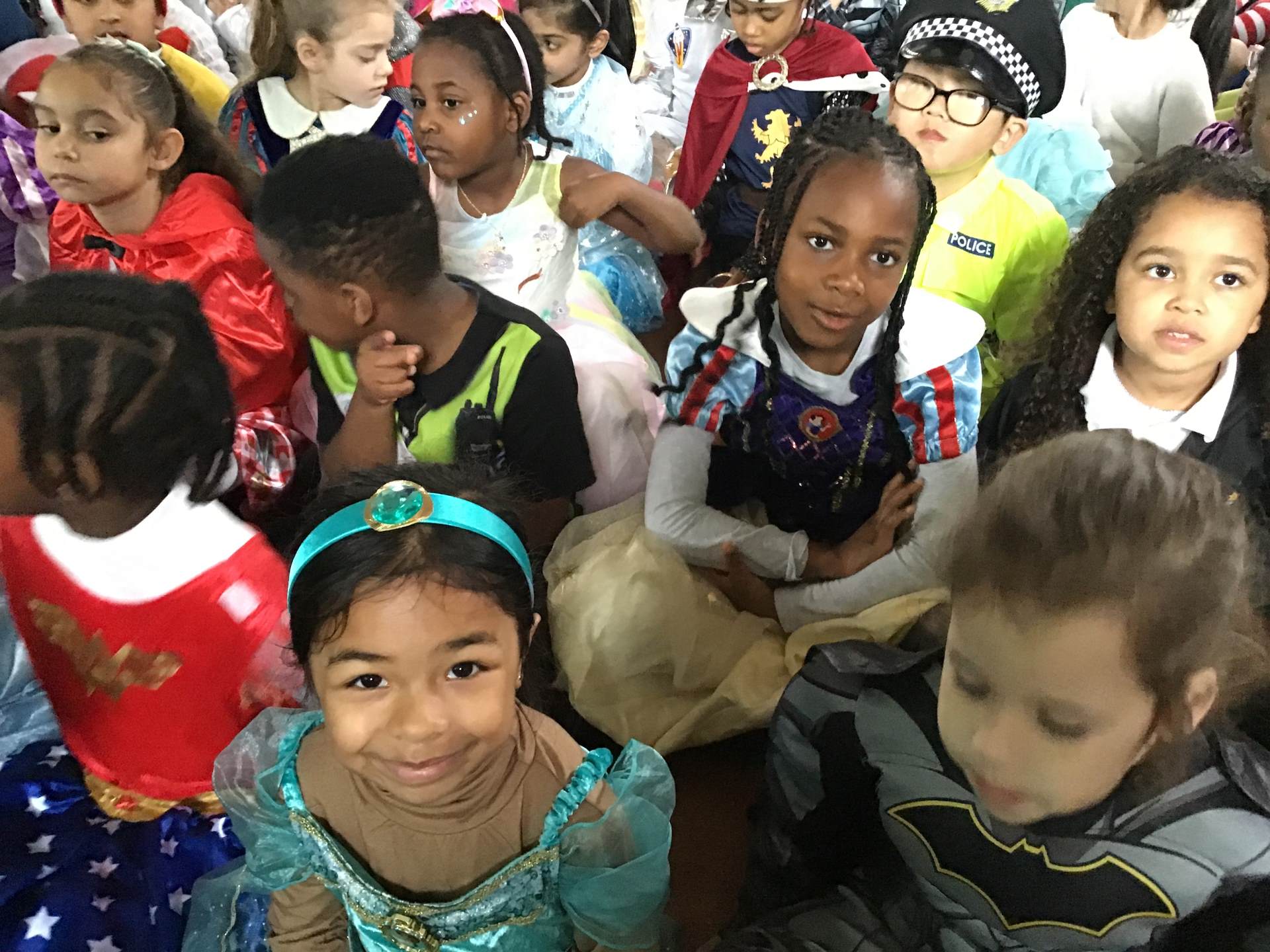
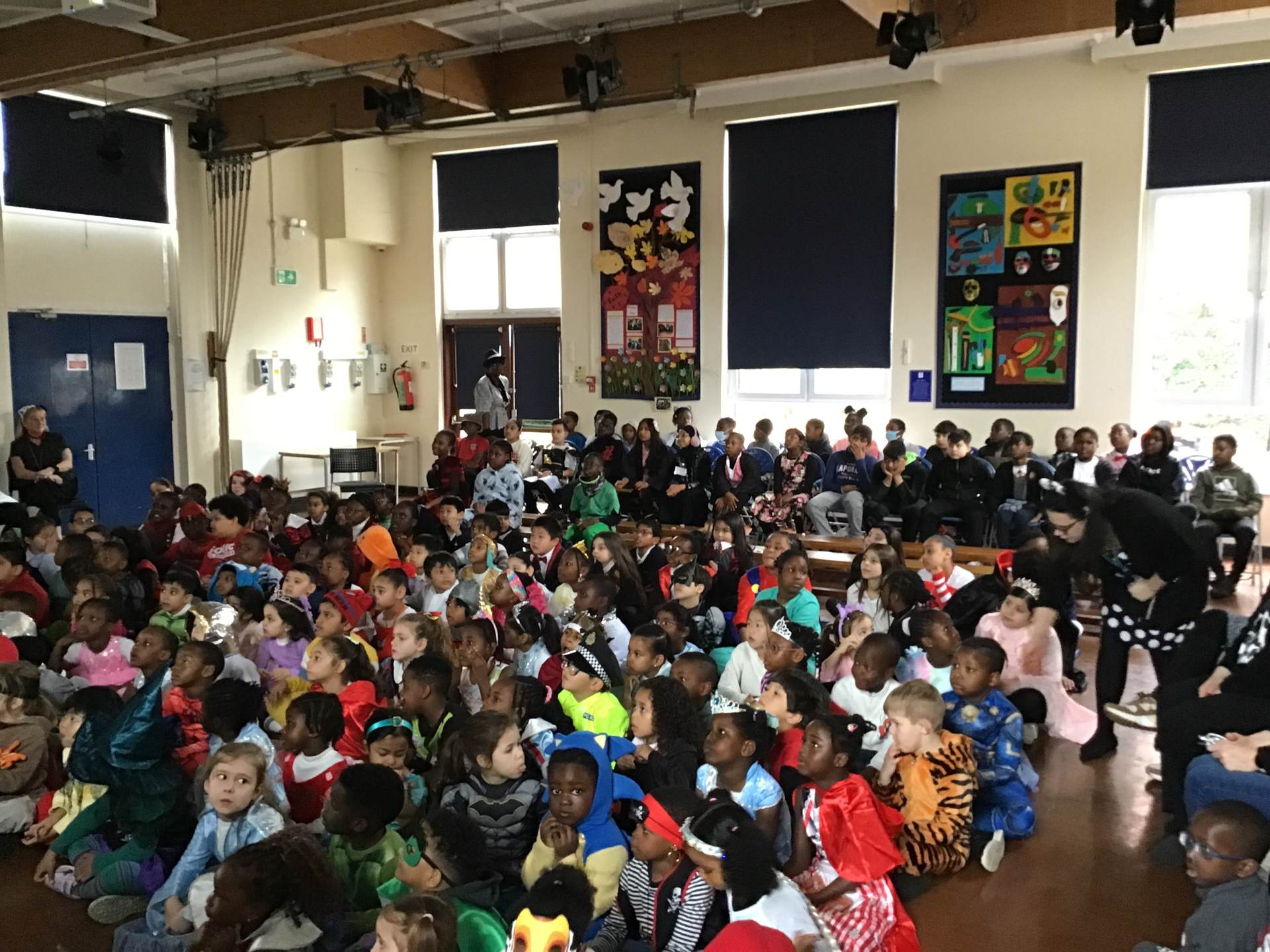
Once again, we had an exciting Book Week at St Mary's. Our Reading coordinator, Mrs Kuku, launched the week with a special worship. Eevery child brought their favourite book and enjoyed sharing it with their friends. We also welcomed Author Chitra Soundar to read with our children, sign books and talk about being a writer. Other activities included a a Teacher Swap, Reading Banquet, Poetry competition and our ever-popular ‘Dress Up Day’.
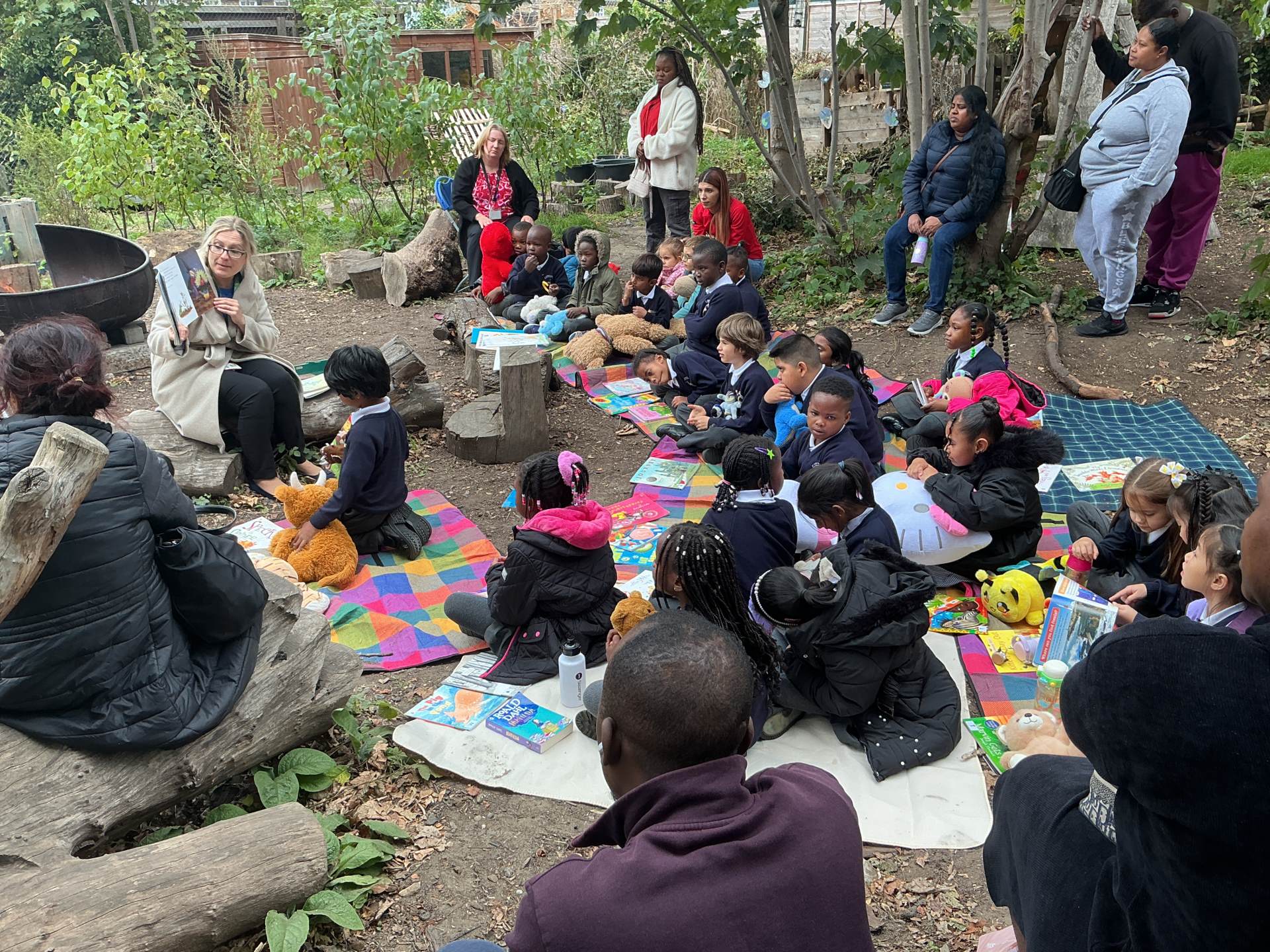
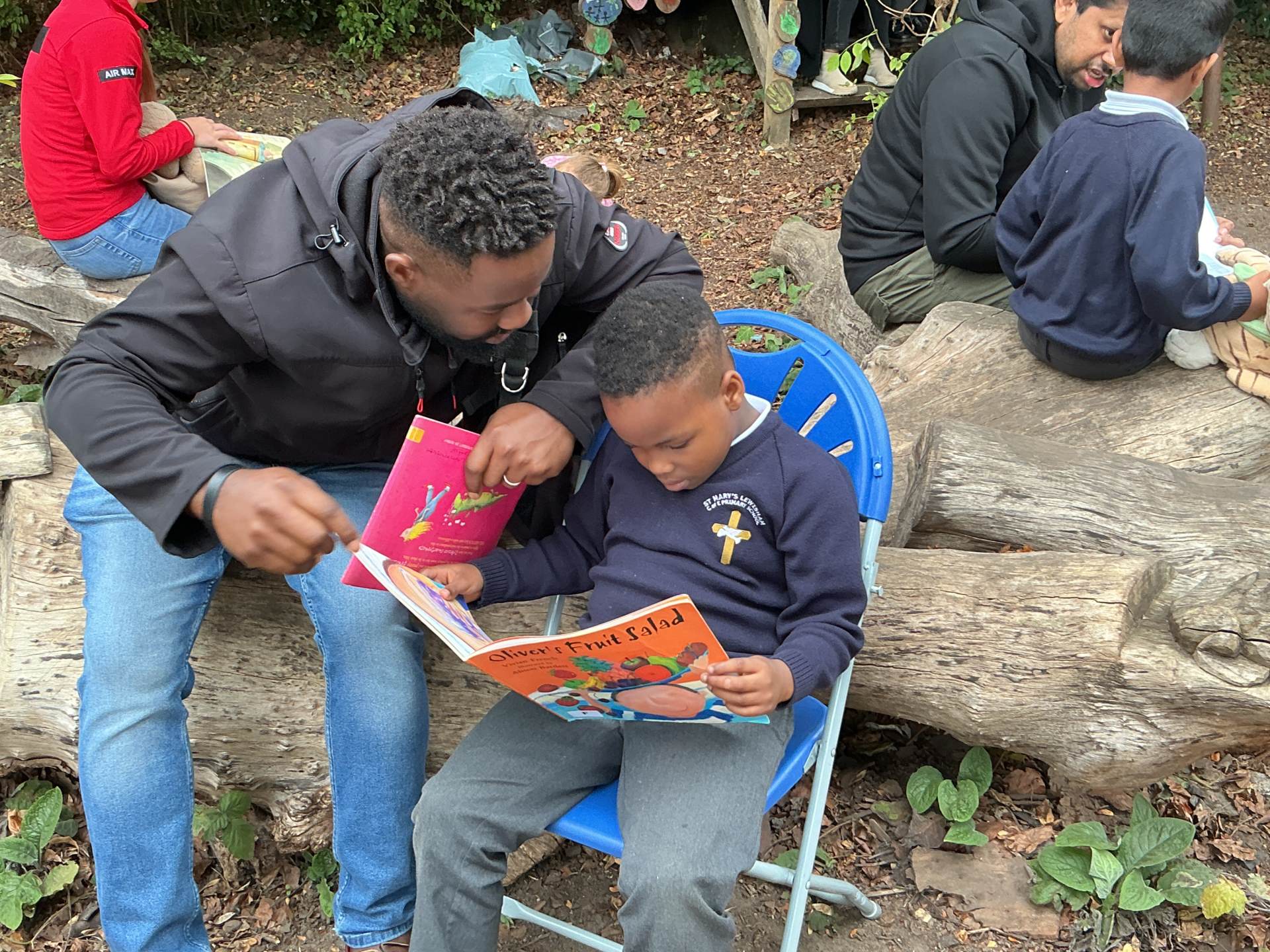
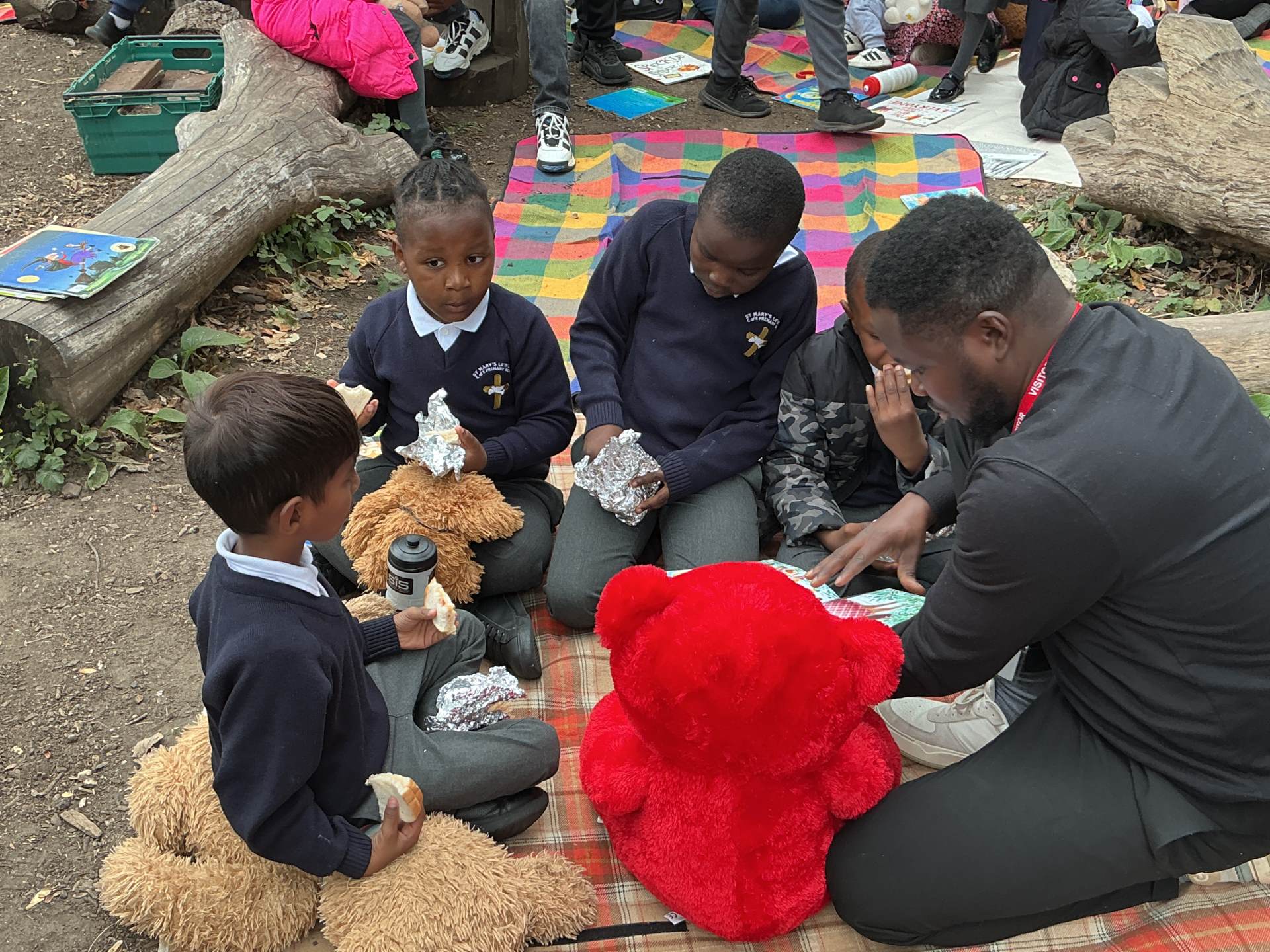
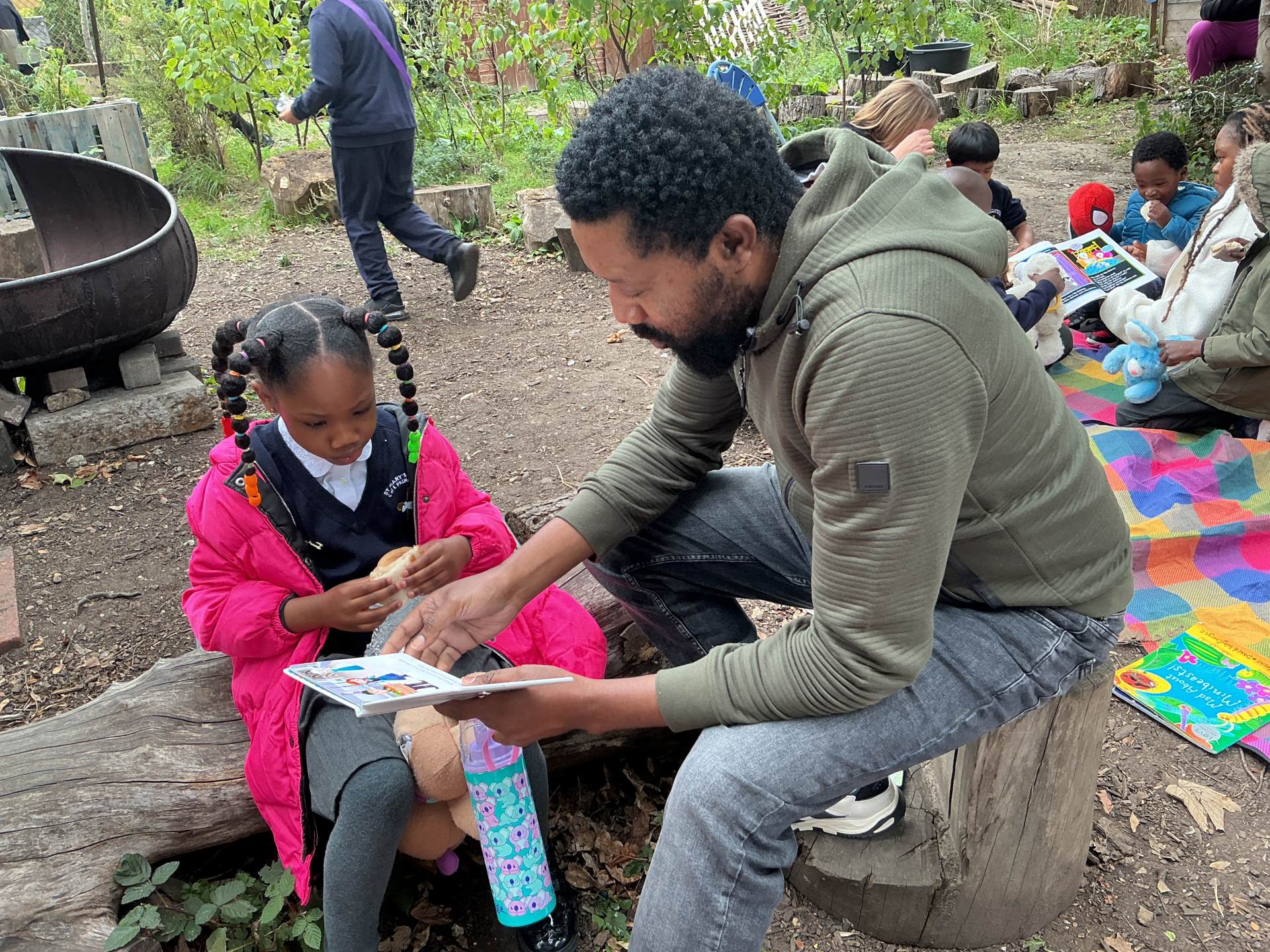
Teddy Bears Reading Picnic
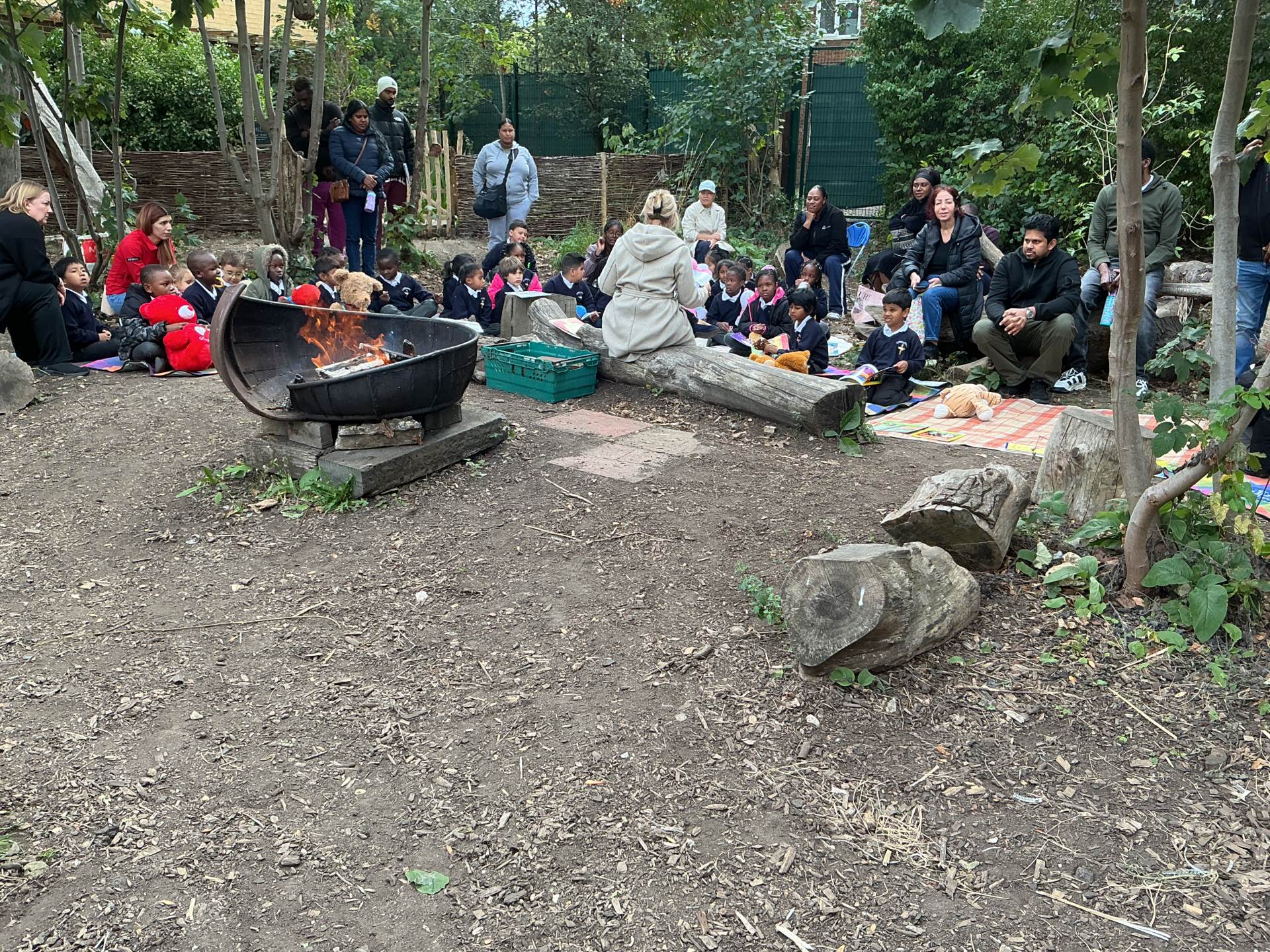
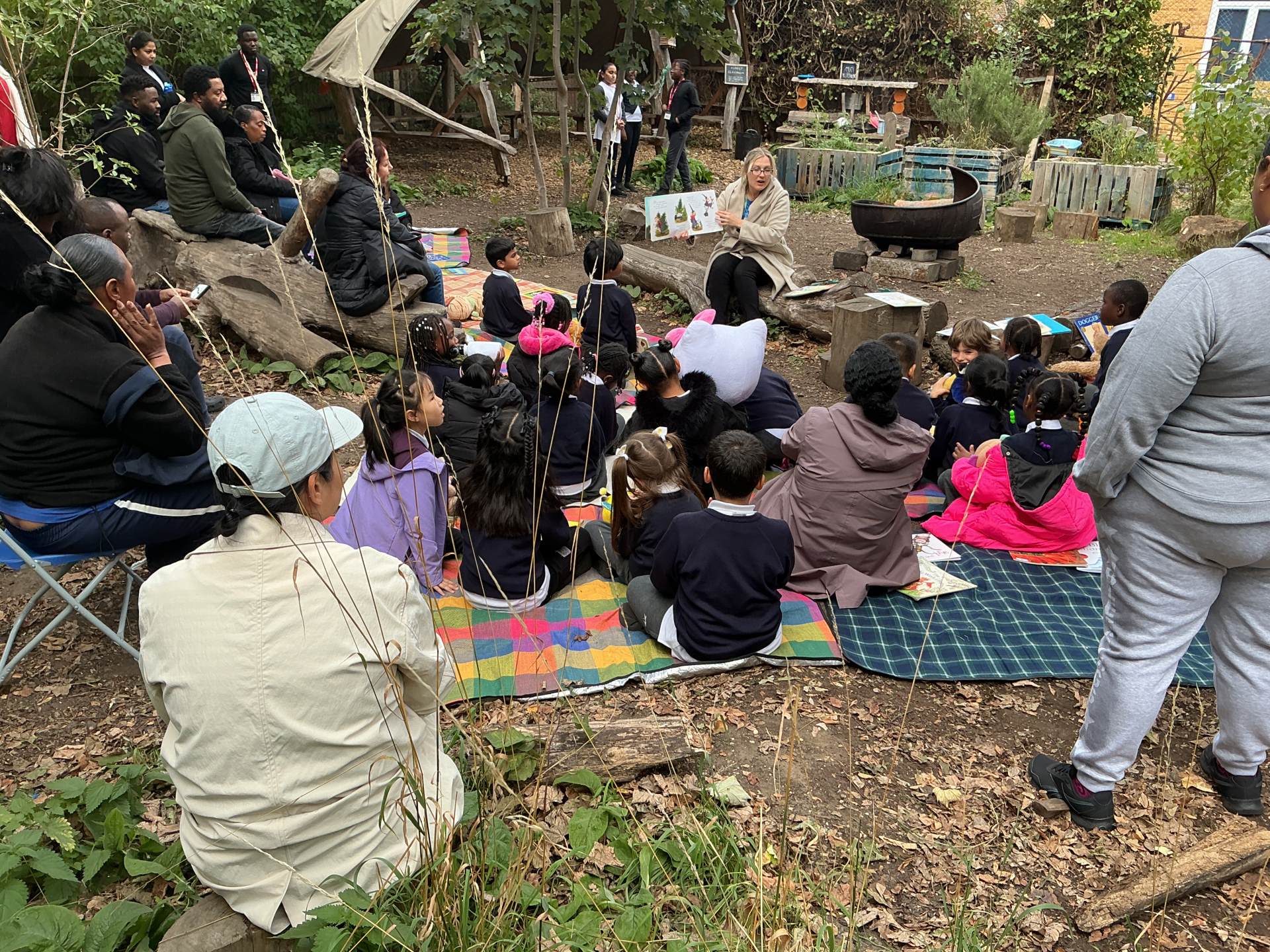
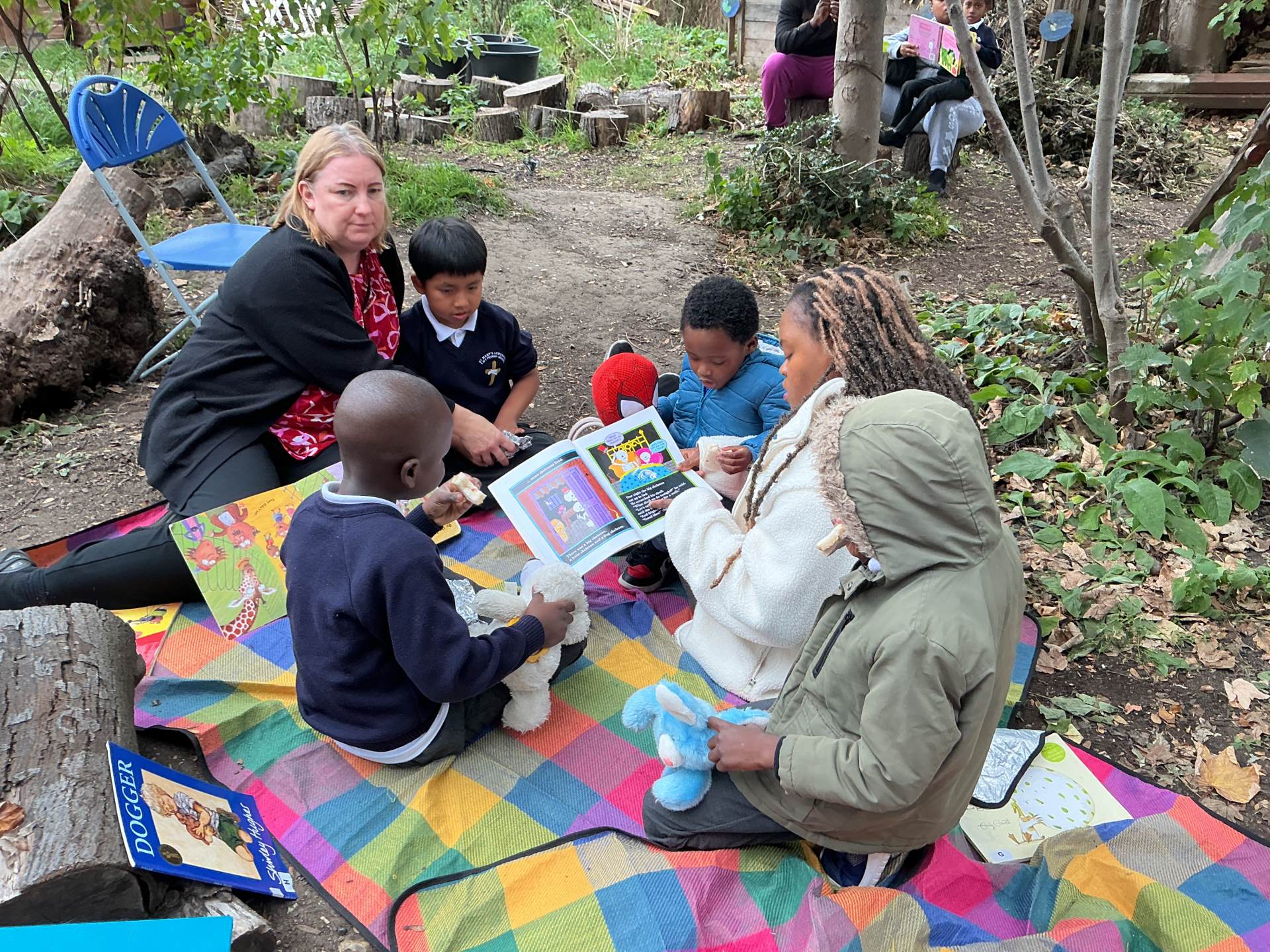
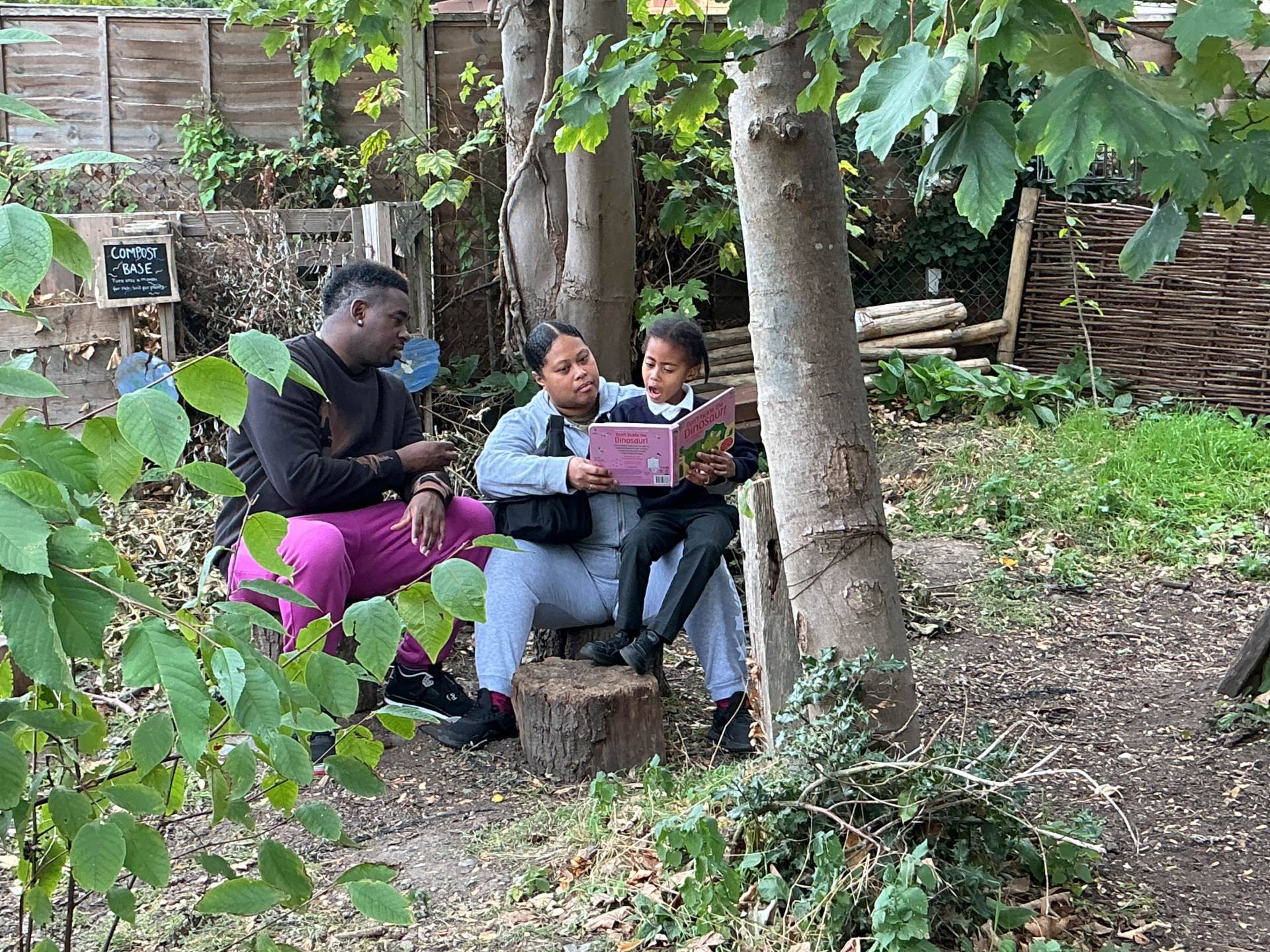
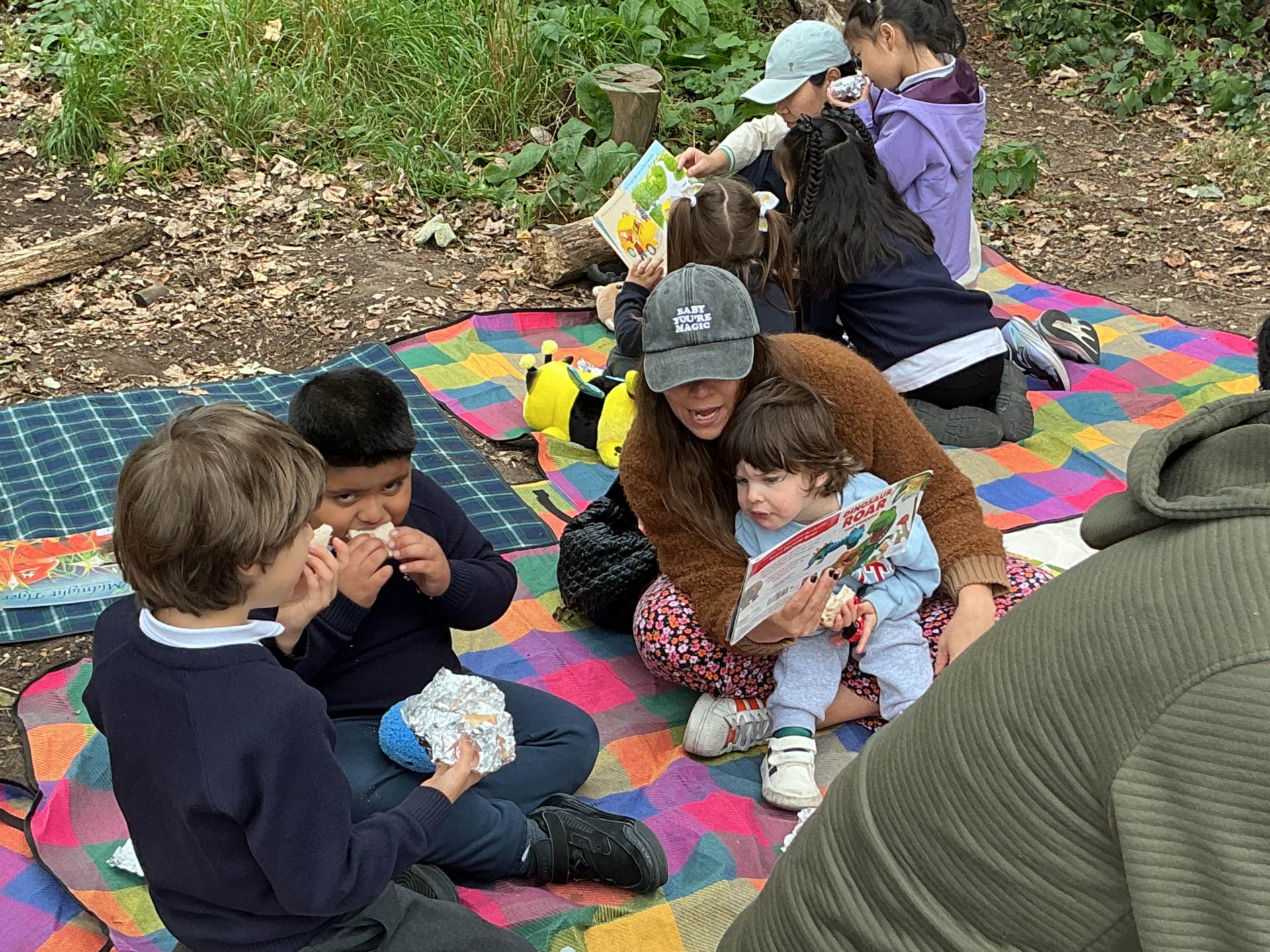
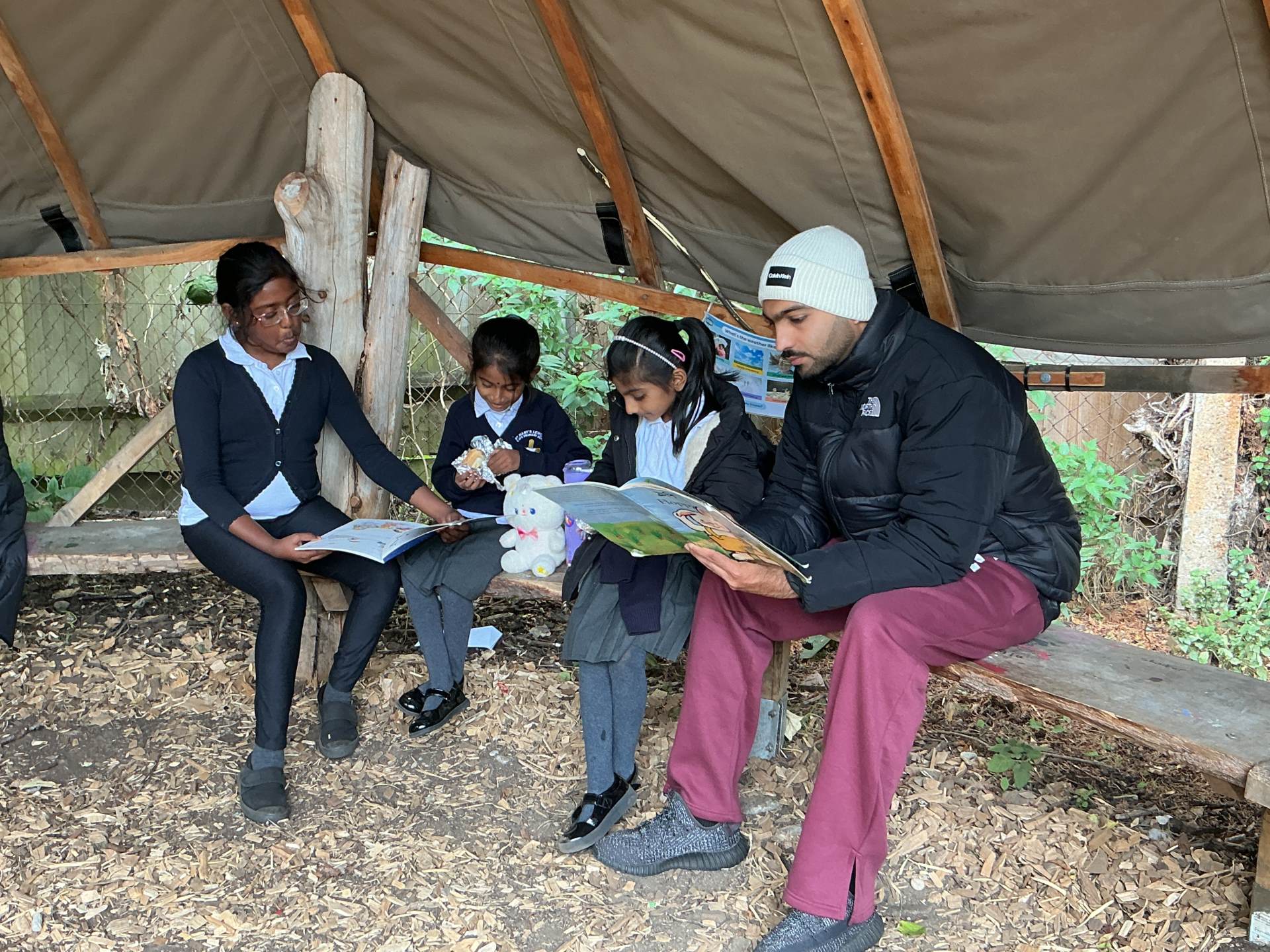
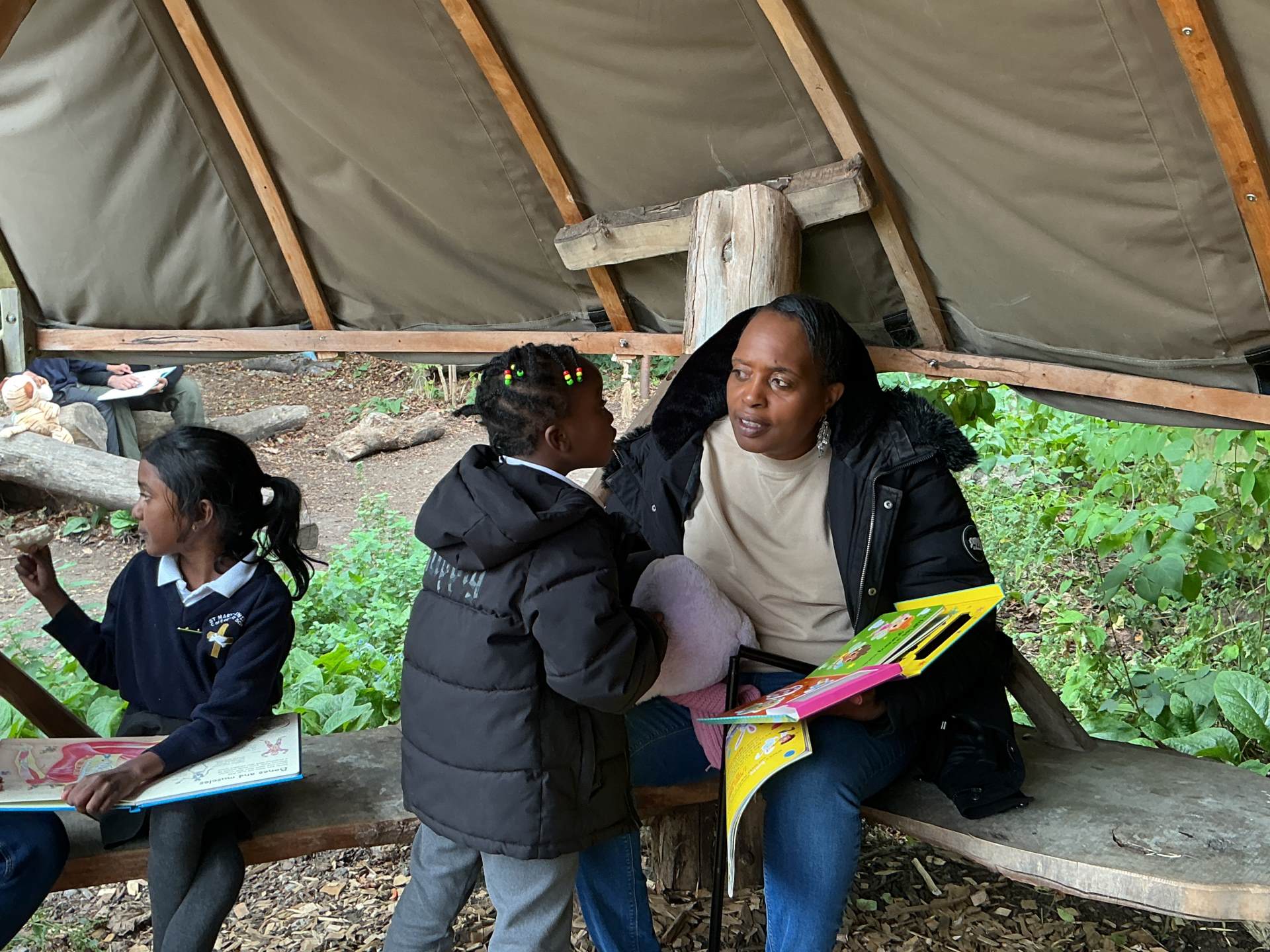
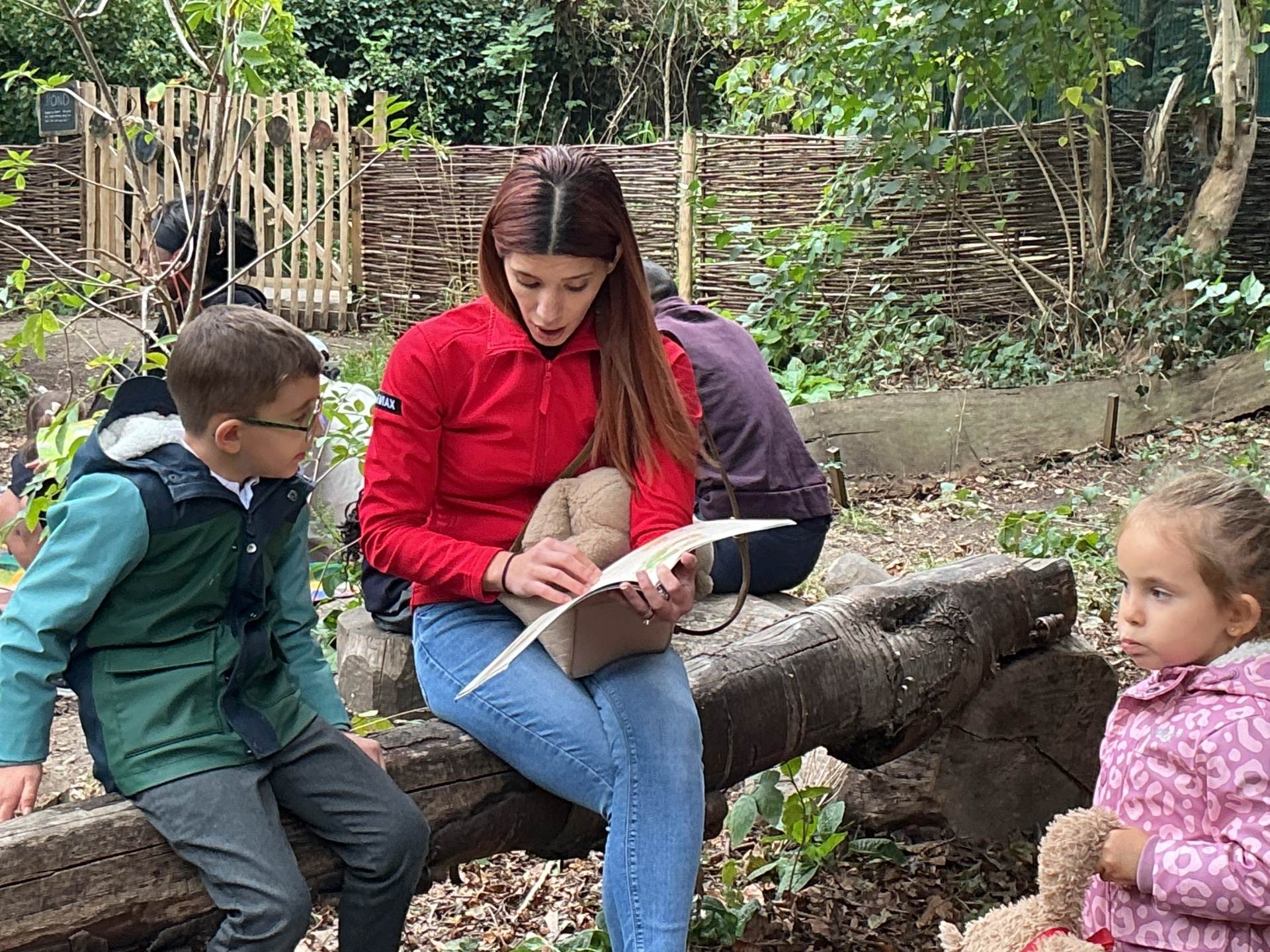
Year 1 and 2 travelled with some special friends to the Forest School garden. They took their favourite Teddy Bears for a wonderful Reading Picnic. As the children munched on jam sandwiches around the camp fire, their teachers shared some of their favourite stories with them. Huge thanks to all of the parents who joined us and enjoyed sharing their favourite books with small groups of children. We know our children love stories, so please keep reading at home!
Nursery Reading News!
Read our recent newsletter to learn about the launch of our 'Home Reading Journey'.
Nursery News - Home Reading Journey 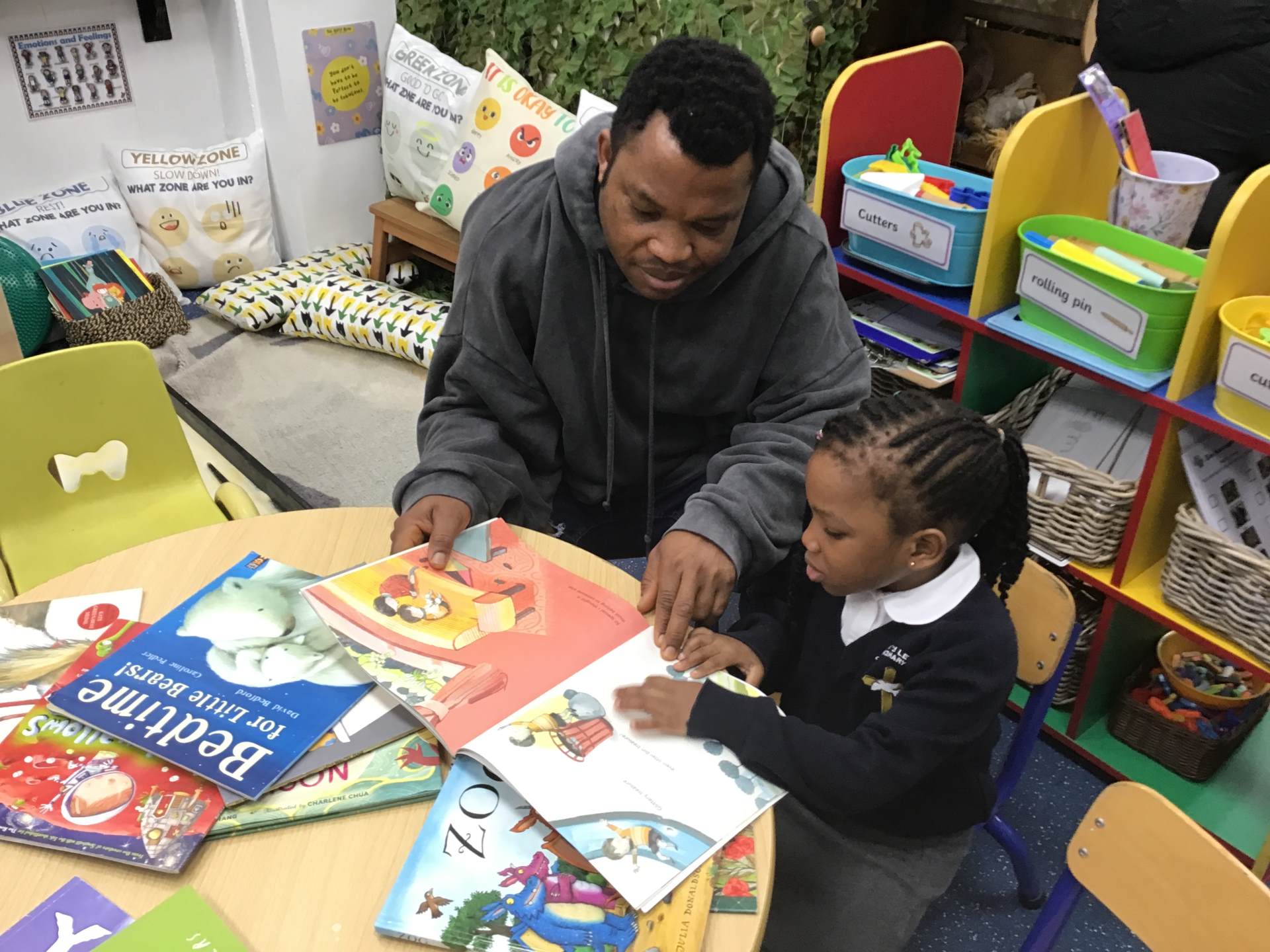
¡Noticias de guardería! Lanzamiento de nuestra “Viaje de Lectura en Casa”
Books from around the world!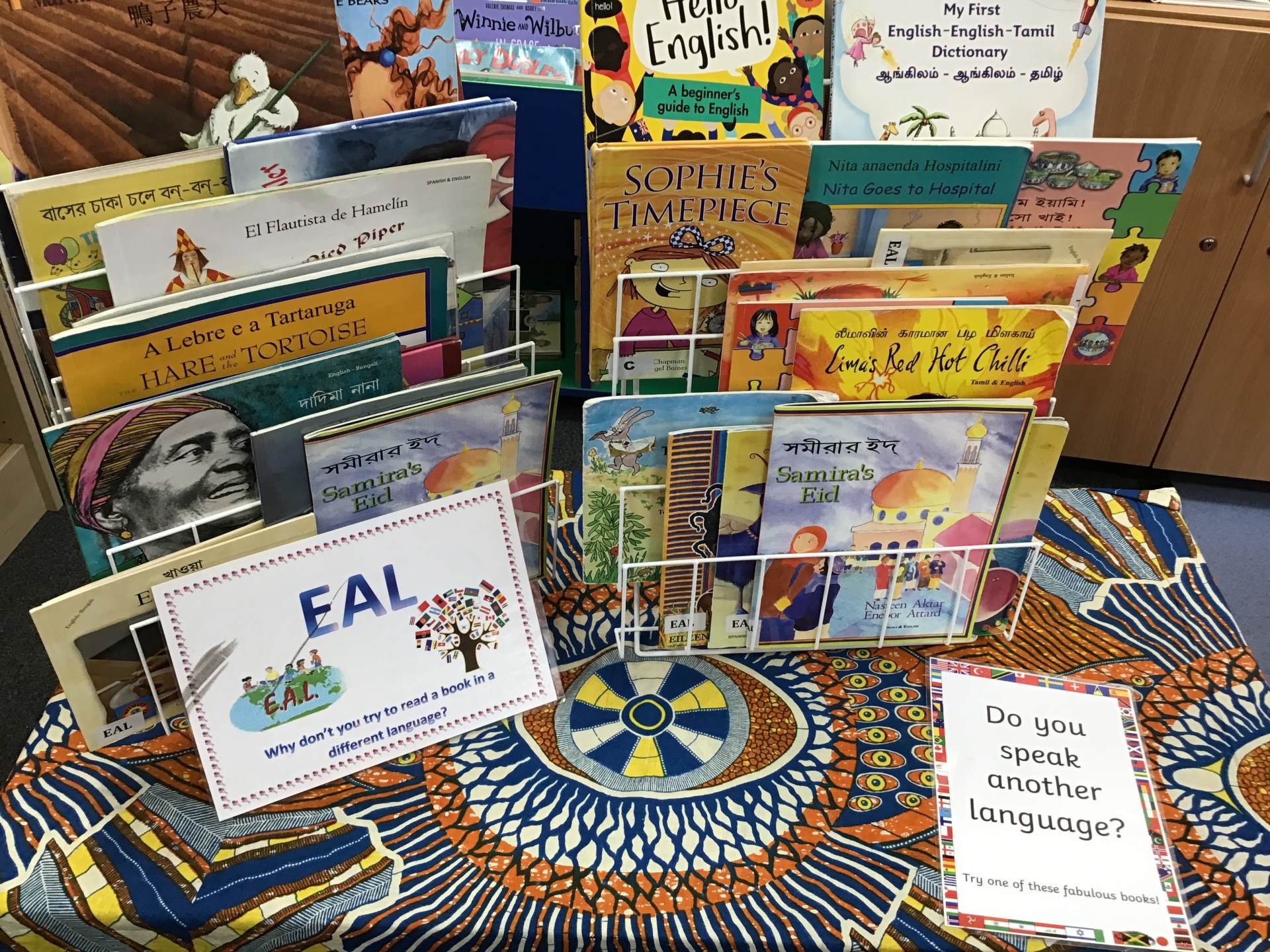
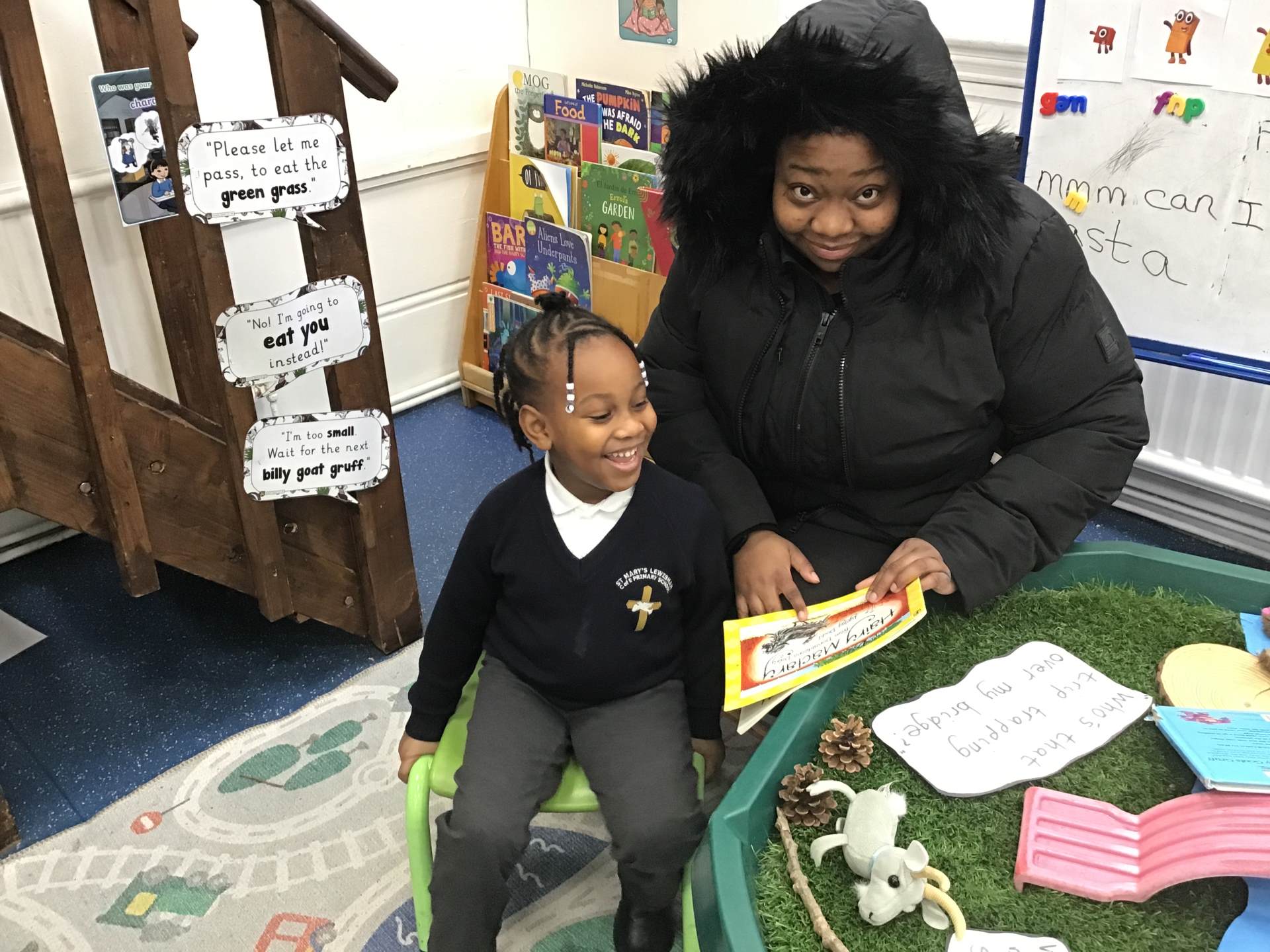
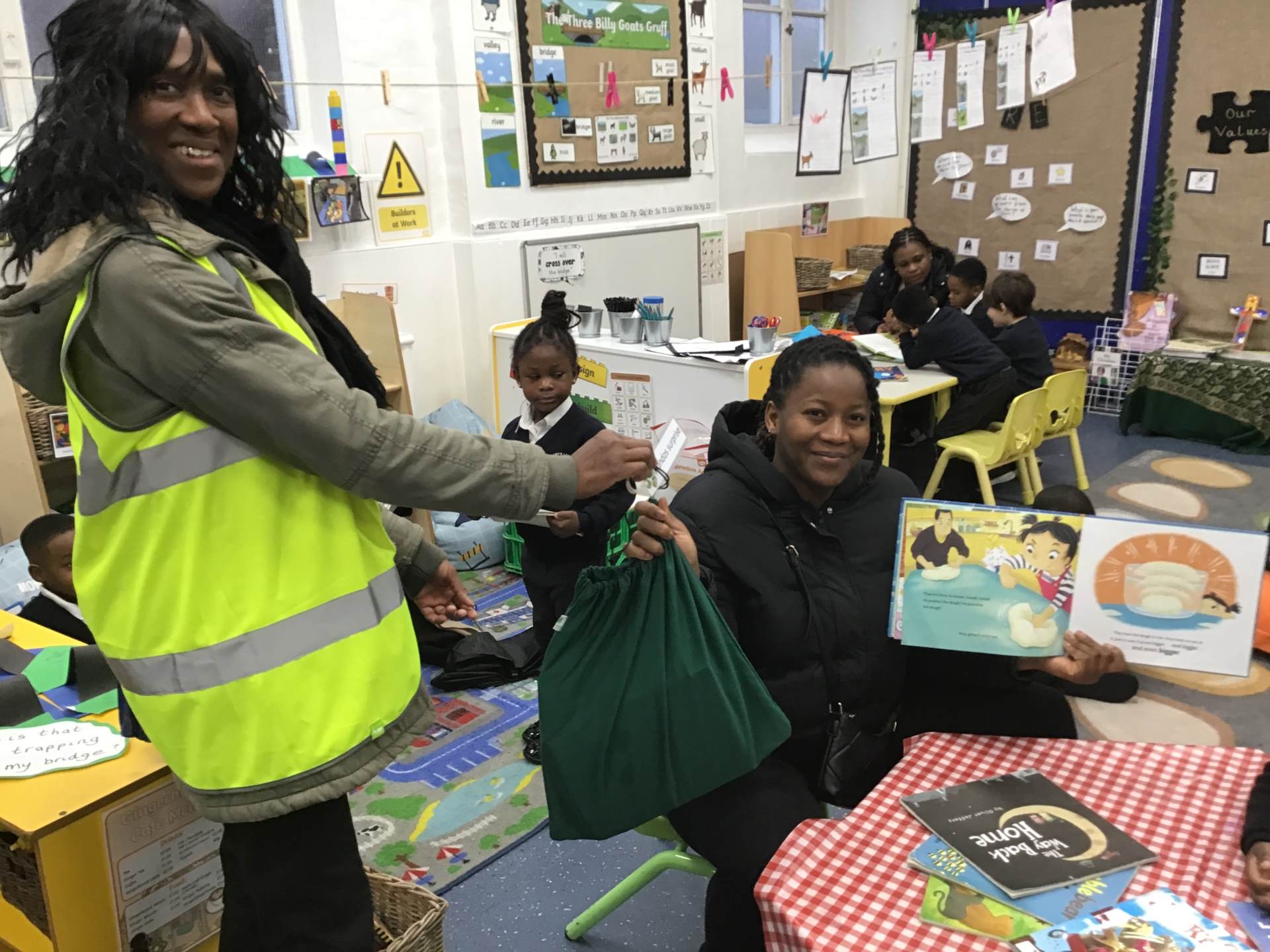
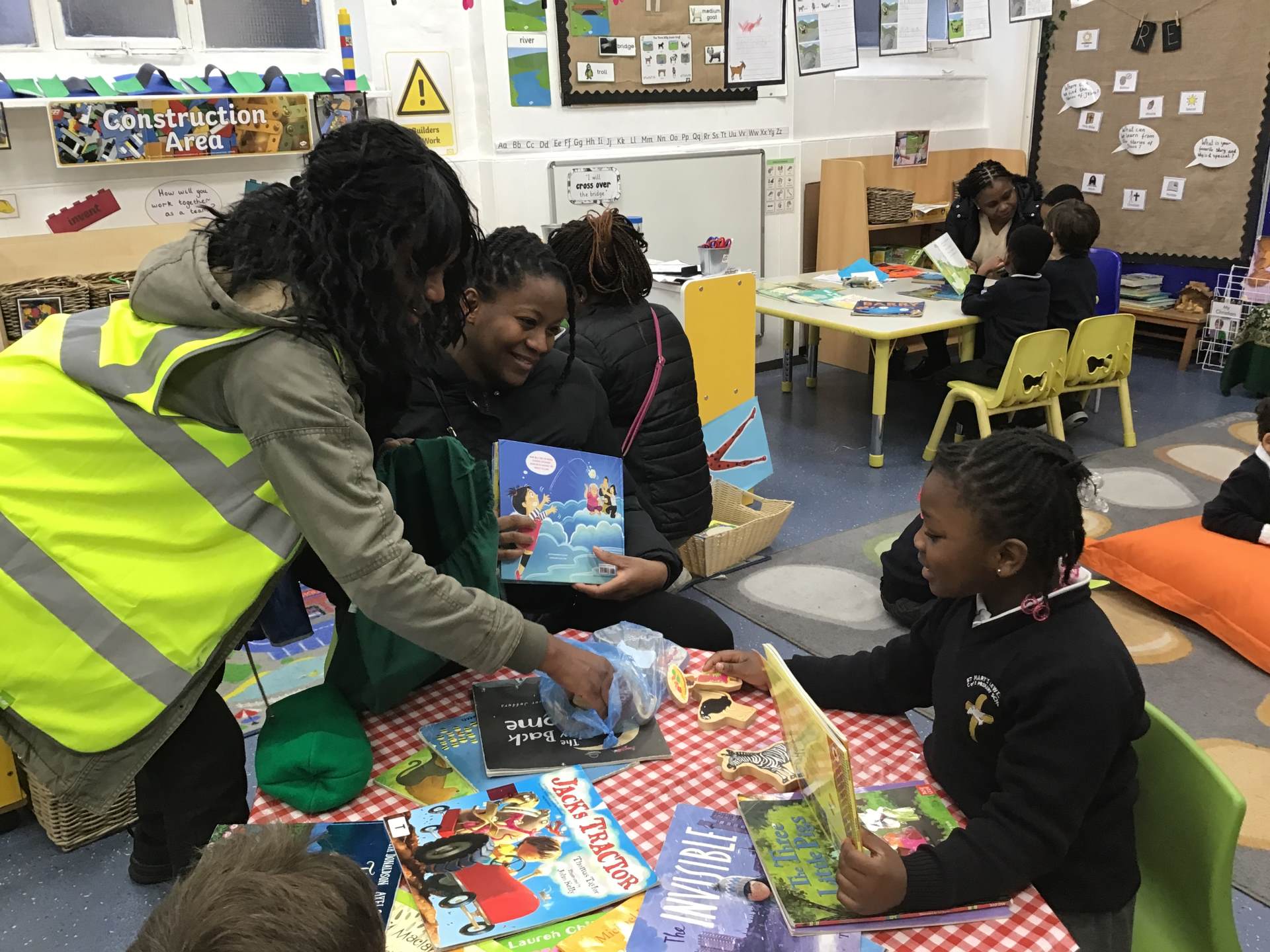
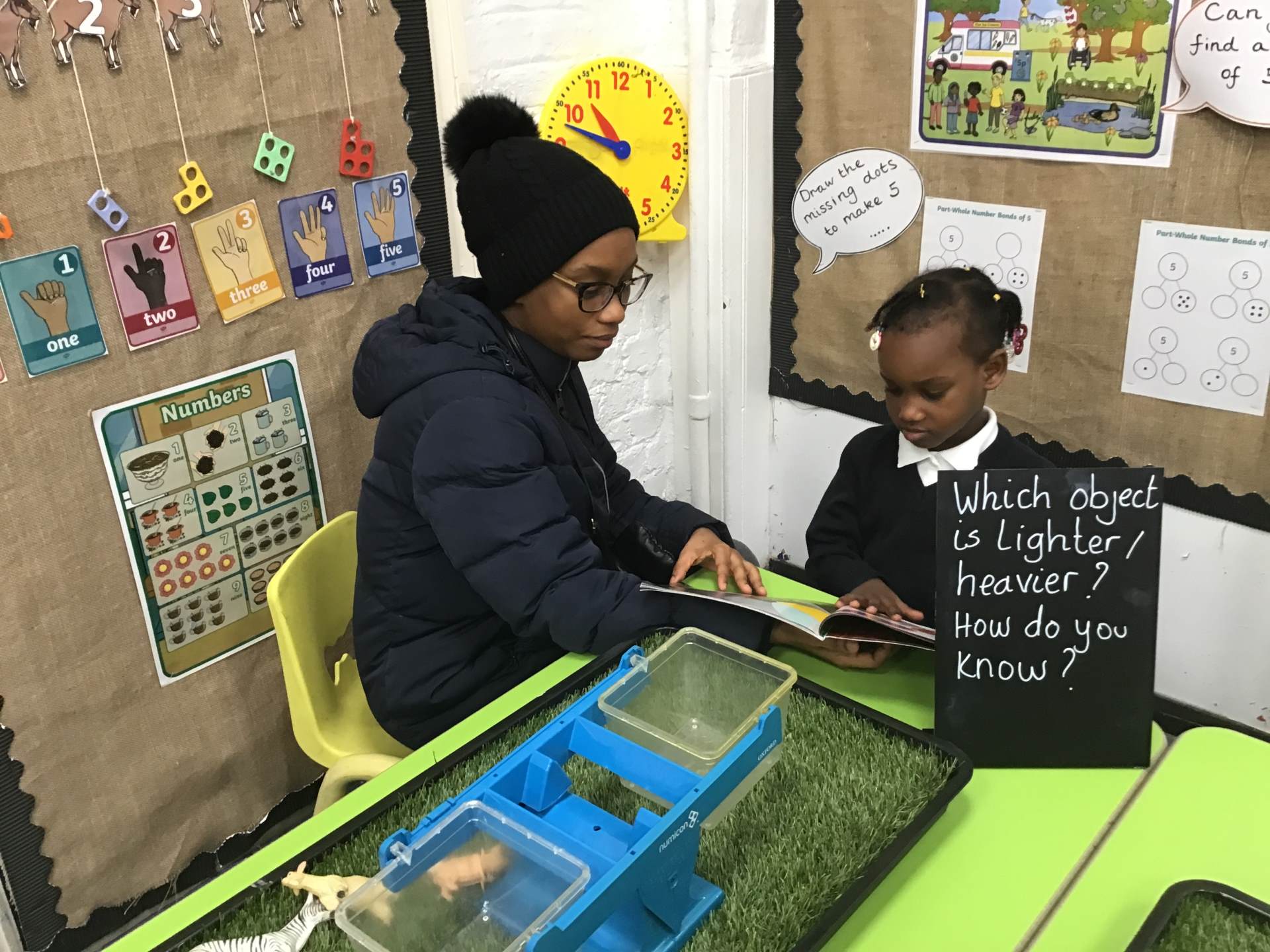
Reading Fridays
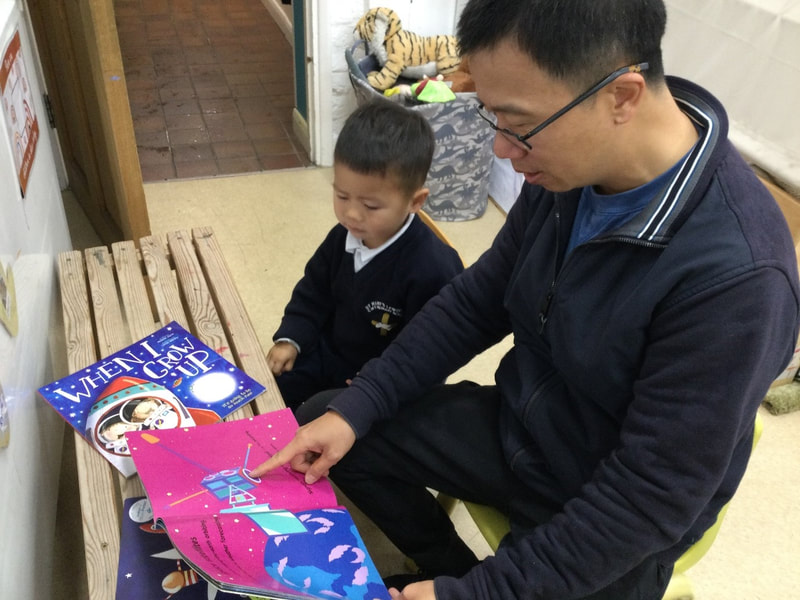
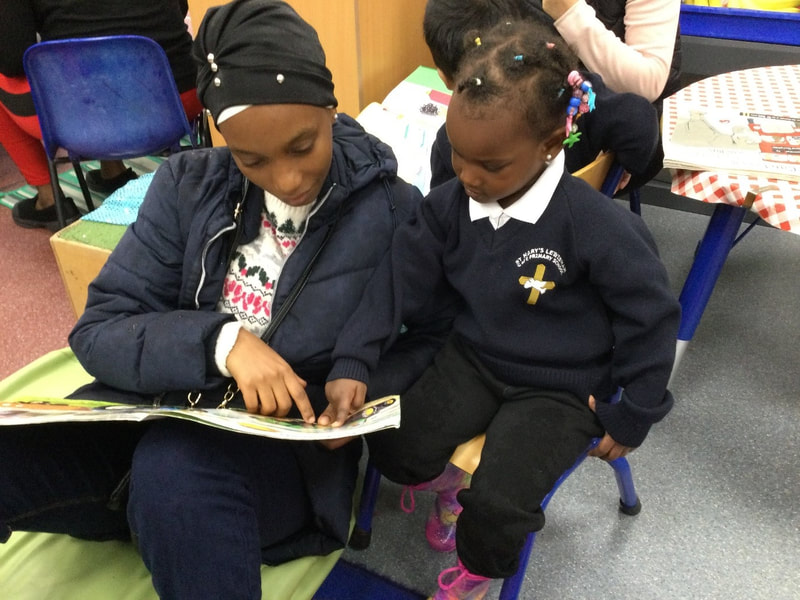
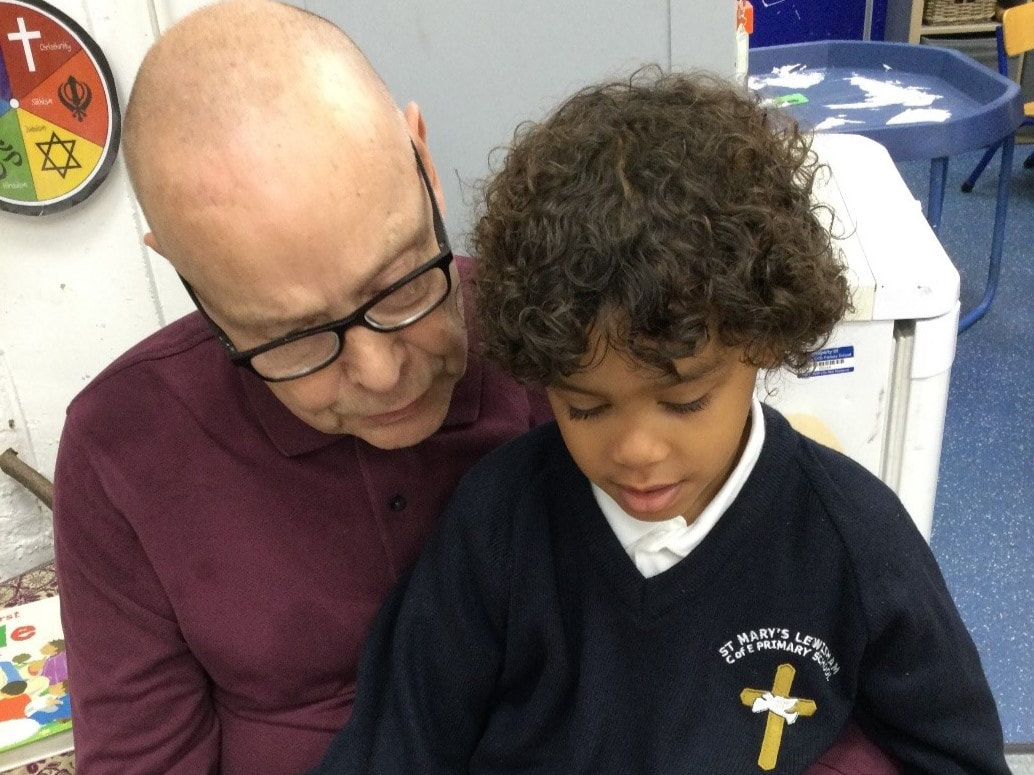
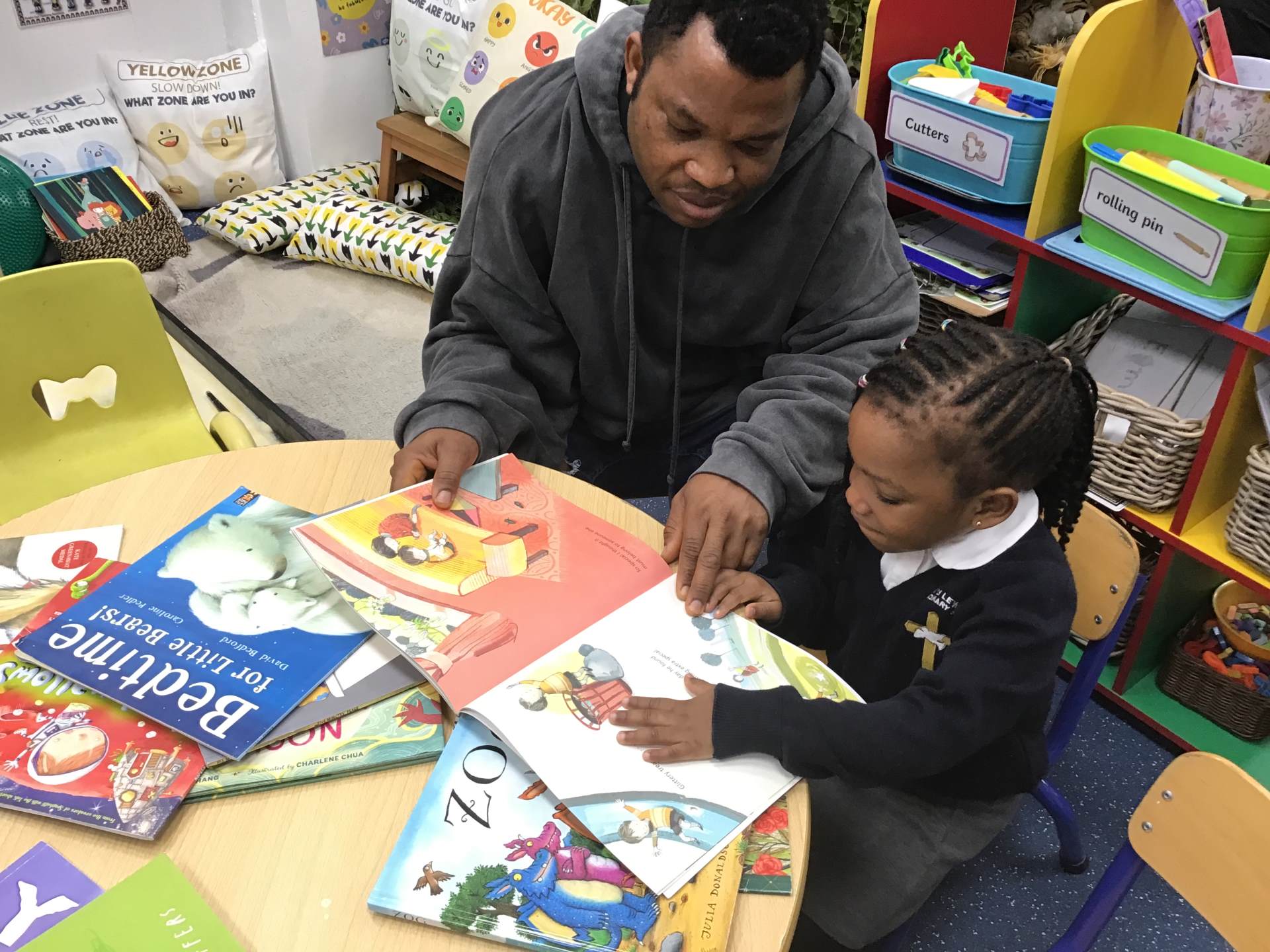
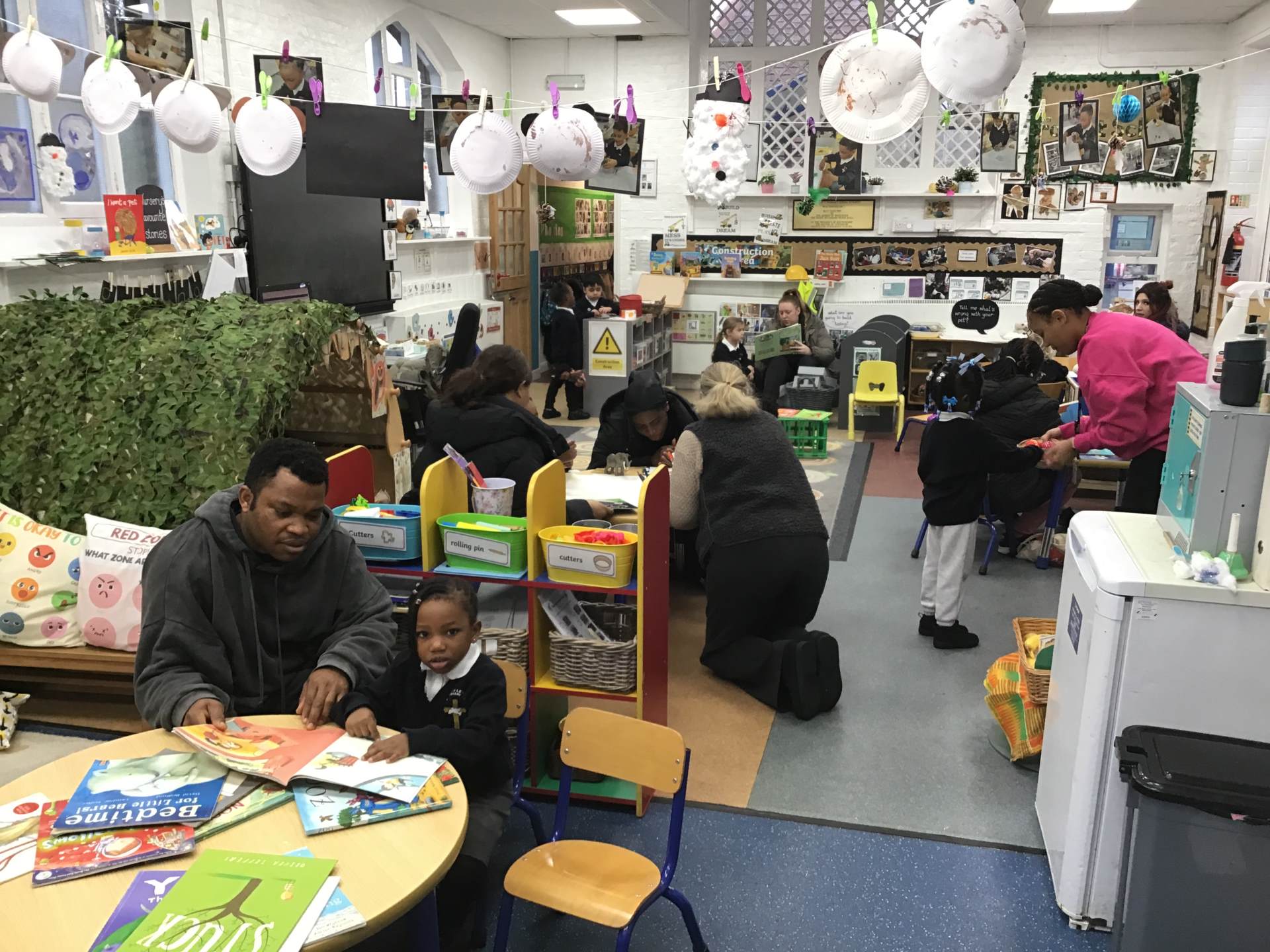
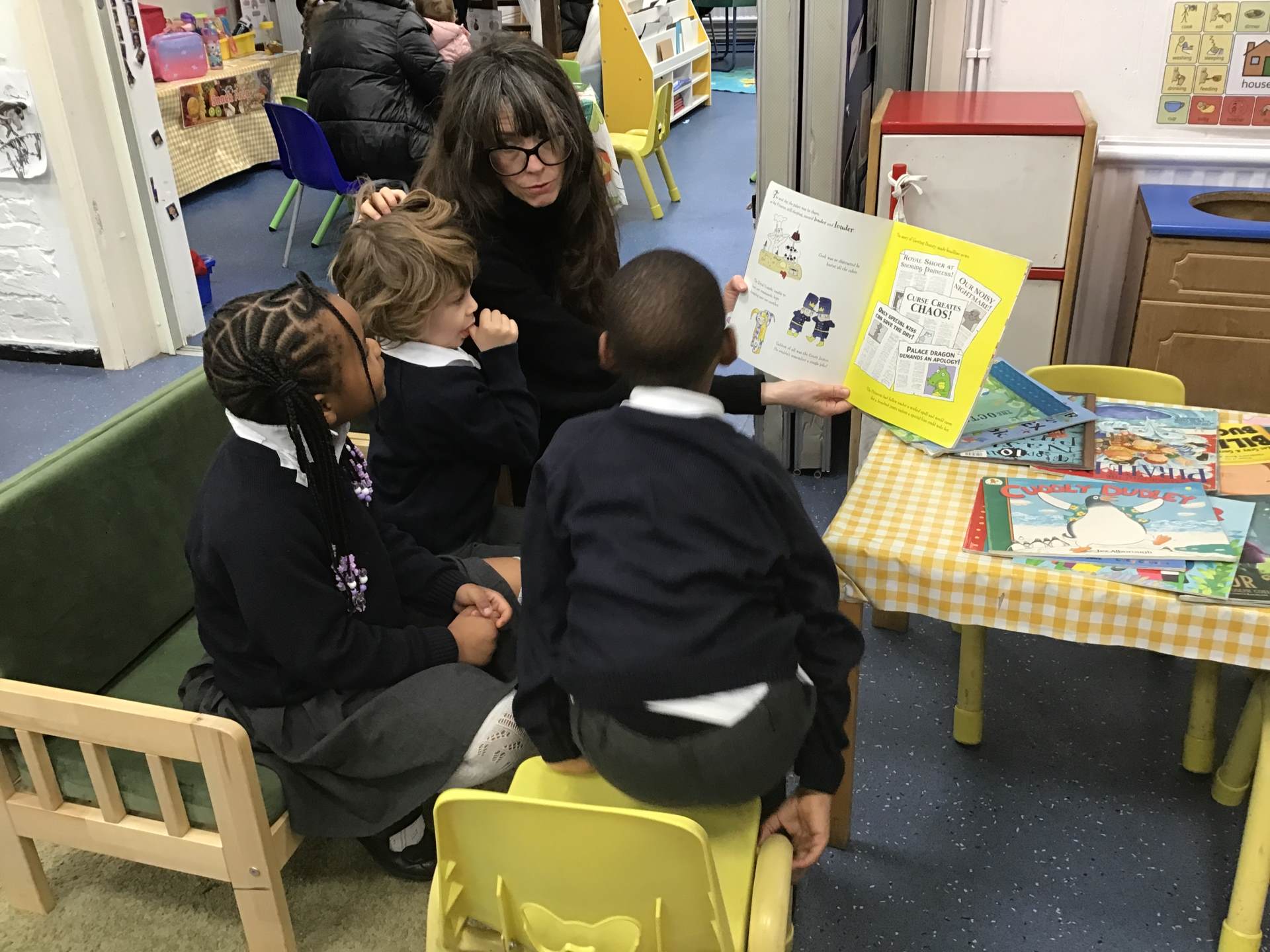
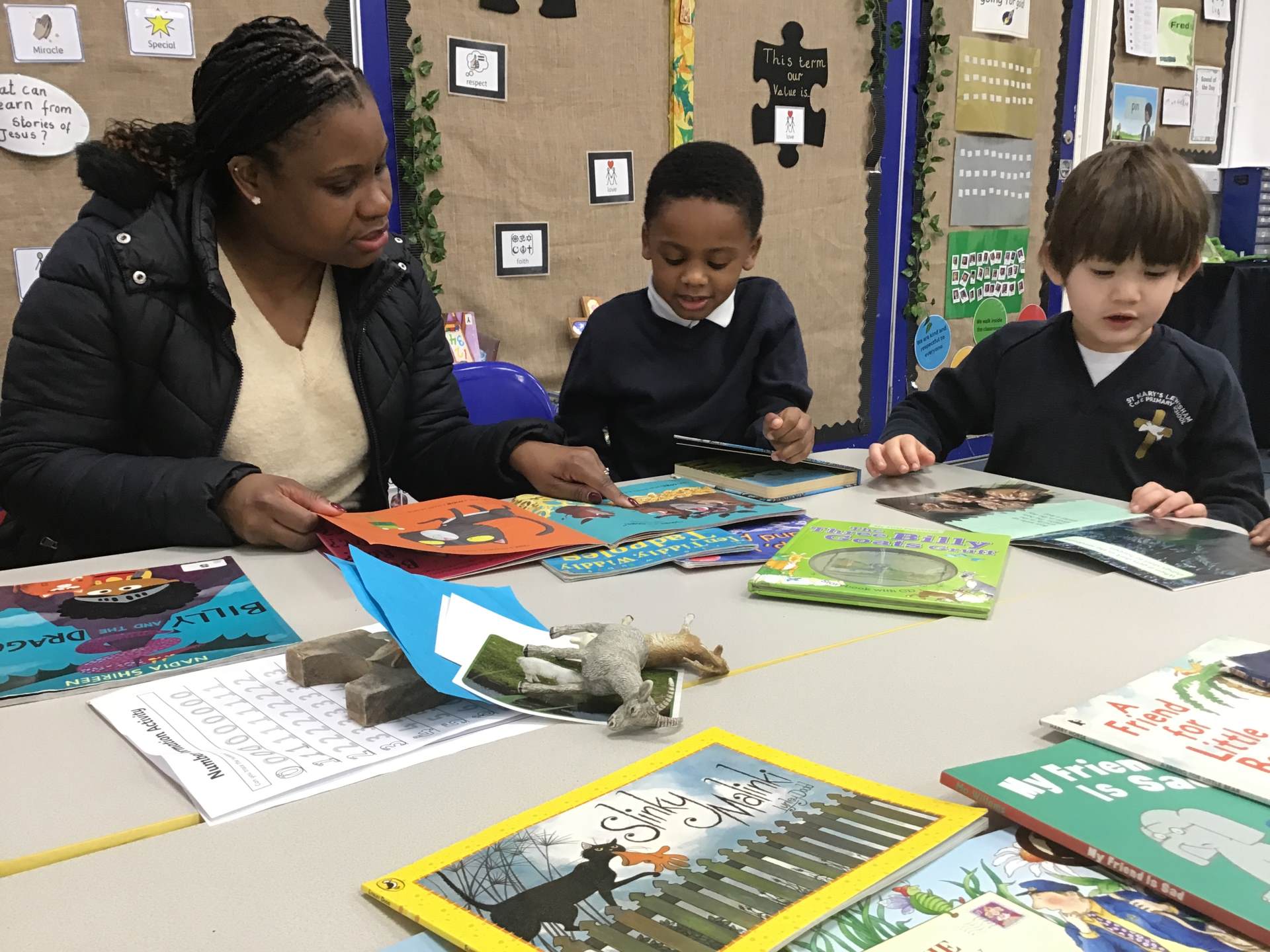
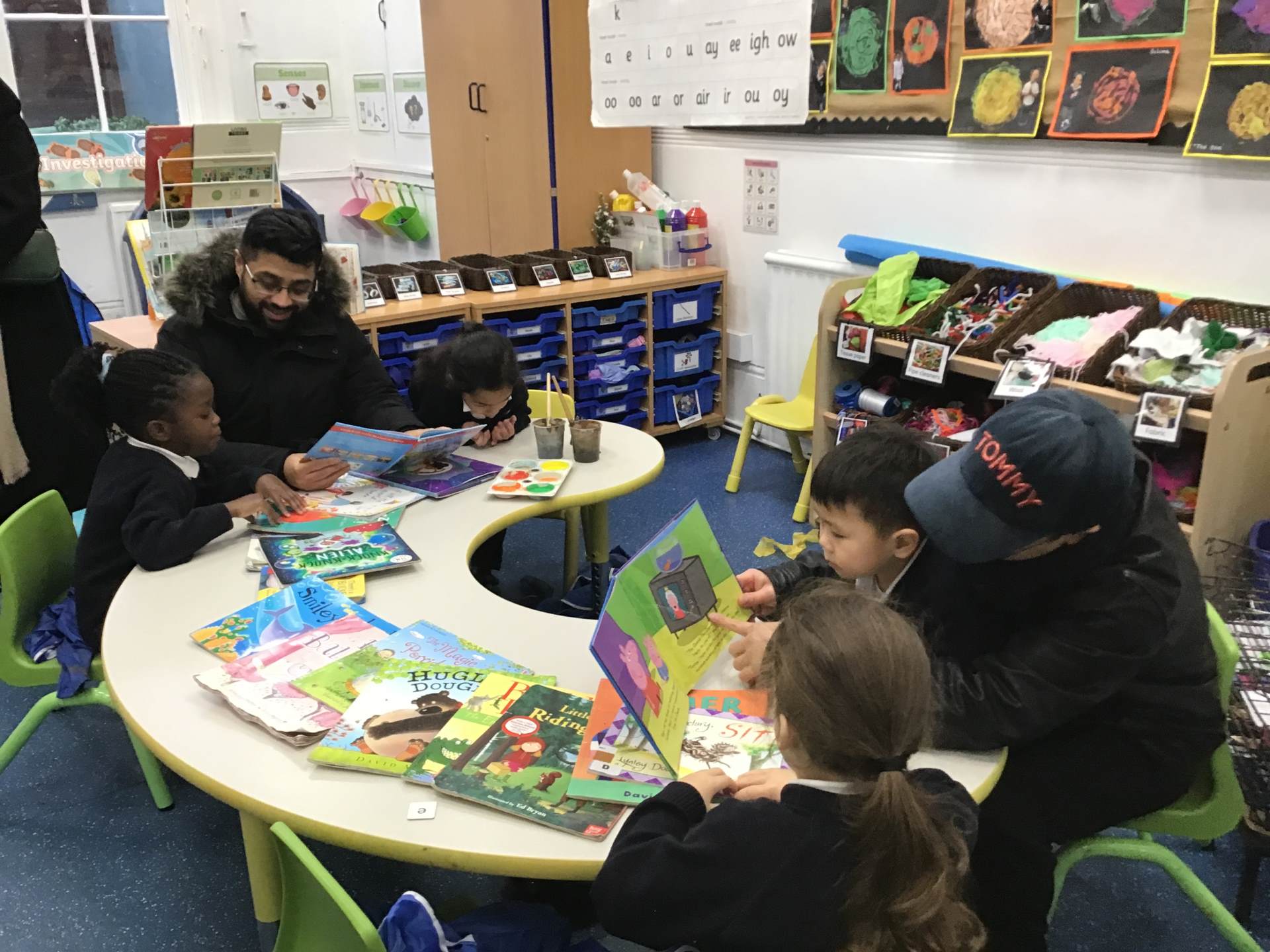
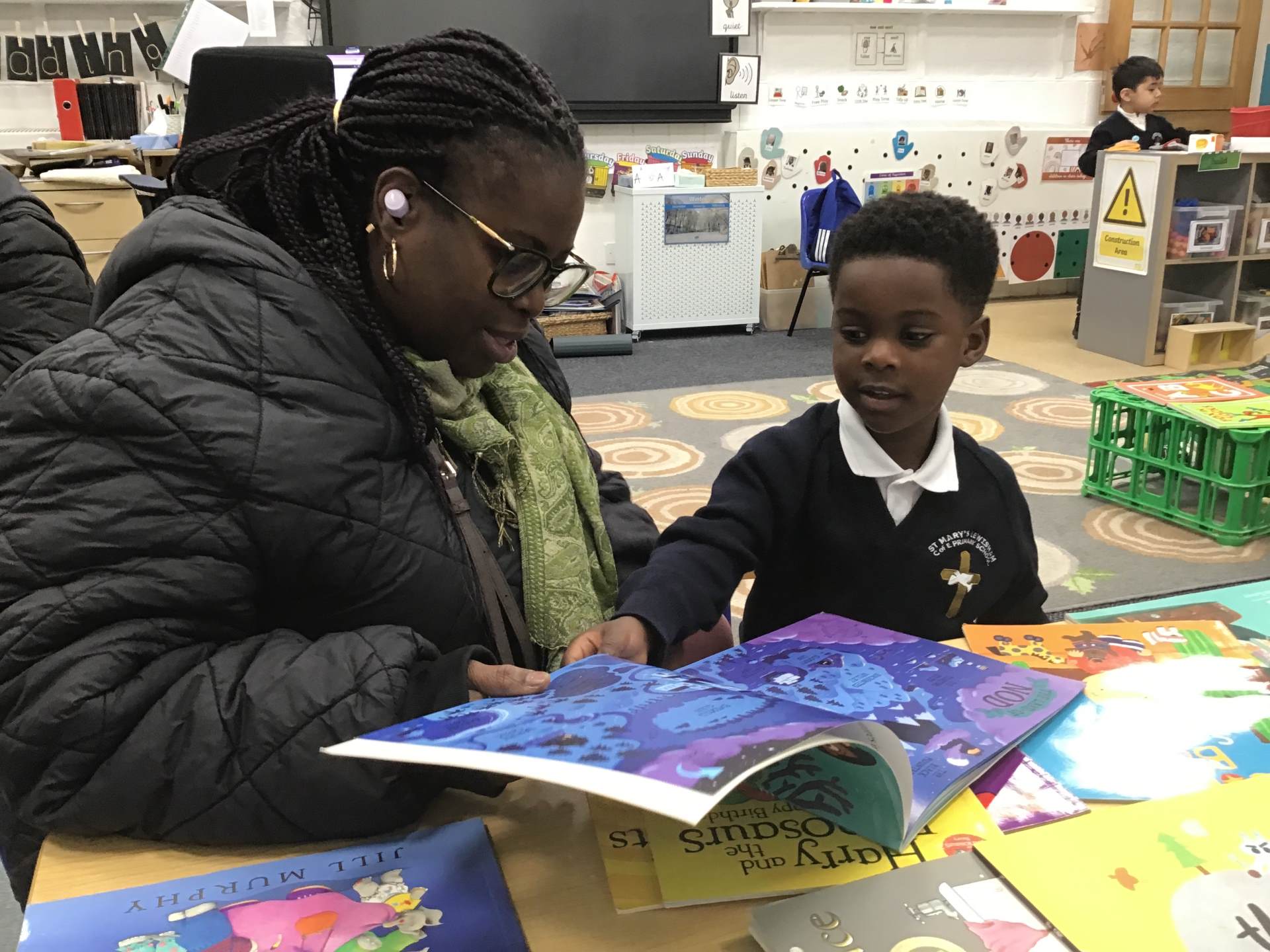
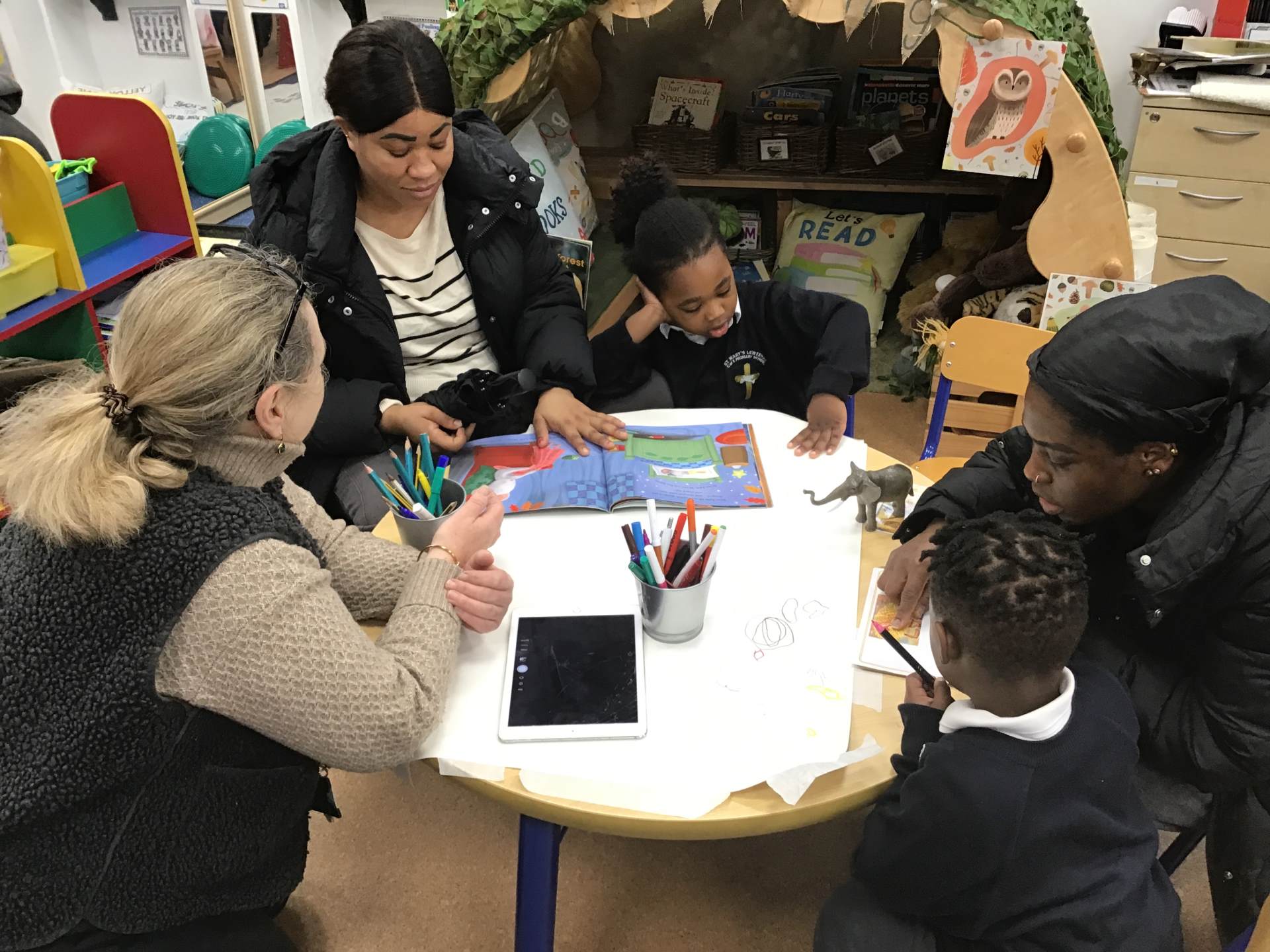
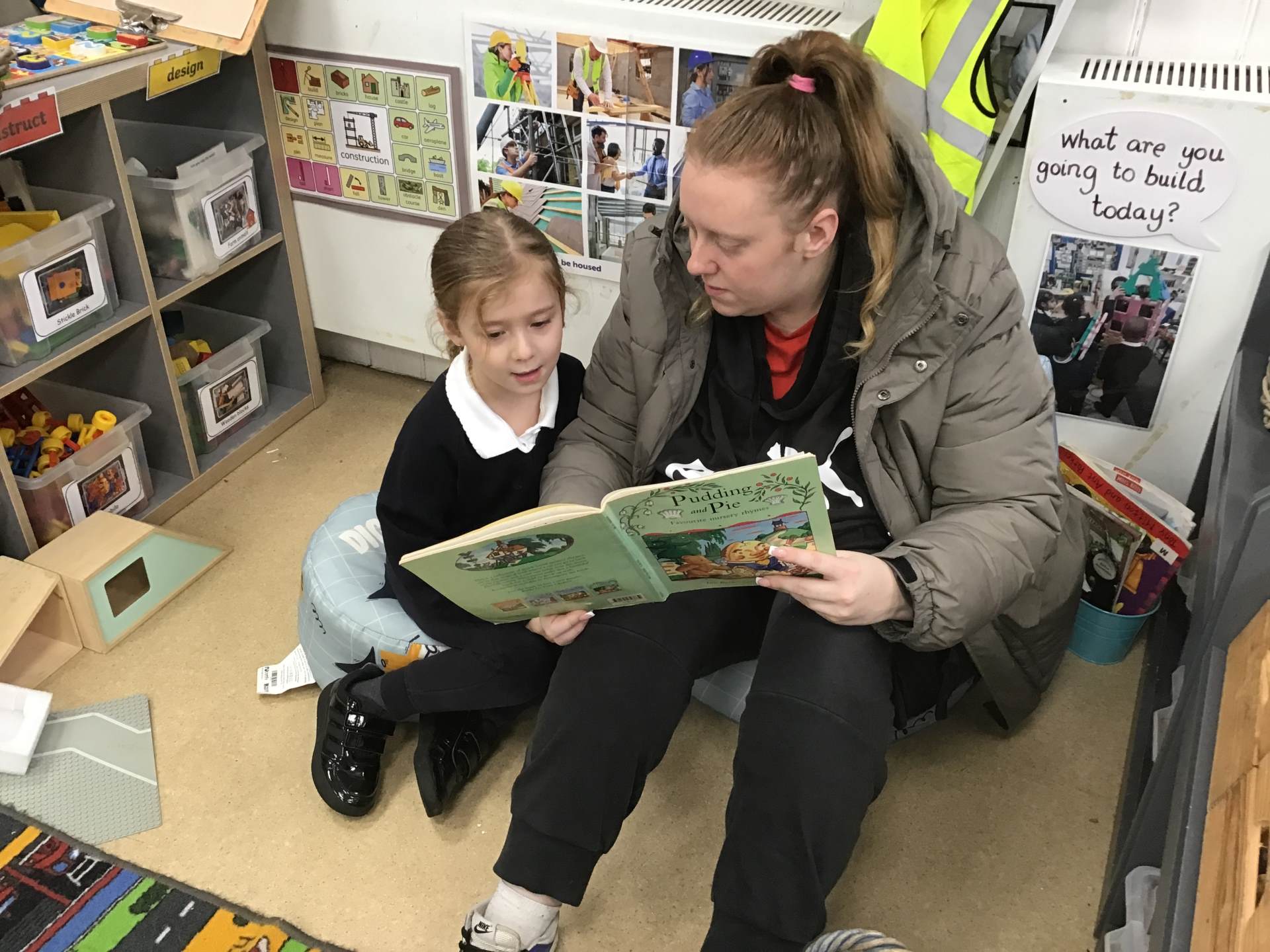
Every Friday, the children are thrilled to have their parents join them in class to share their favourite stories.
Catford Library visits
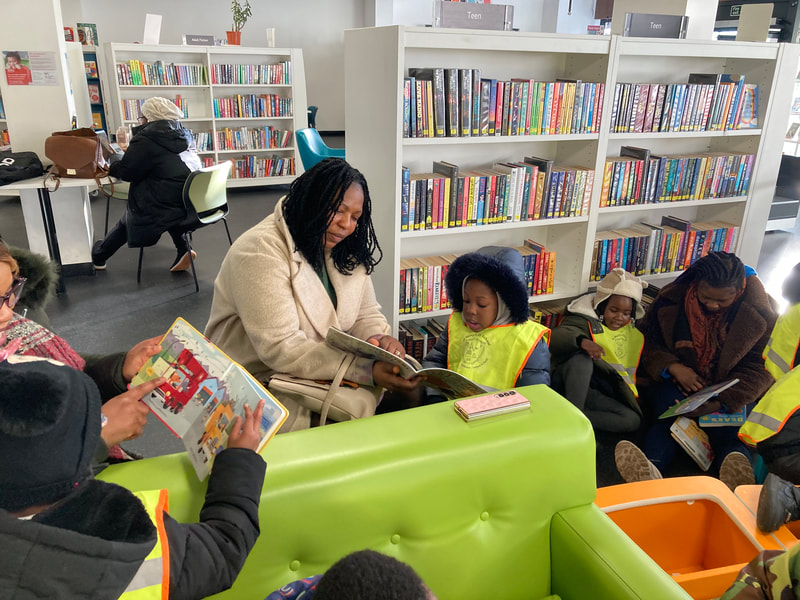
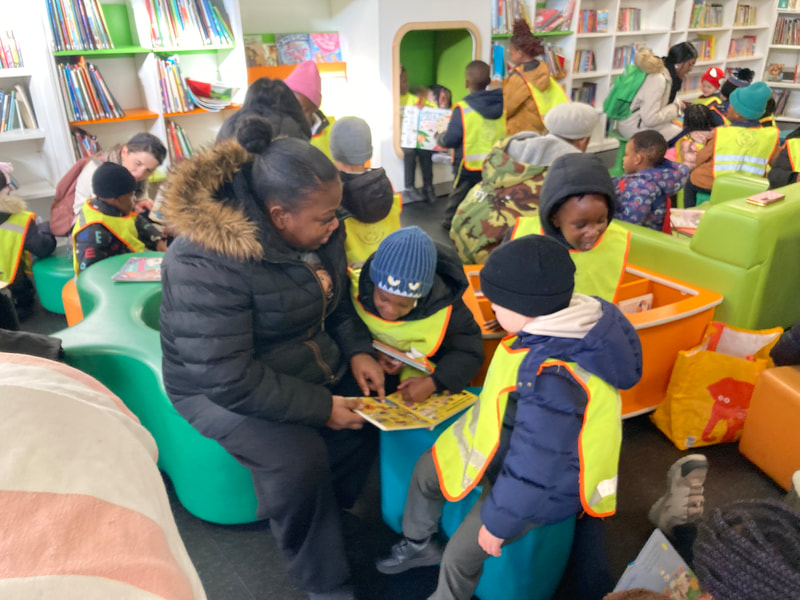
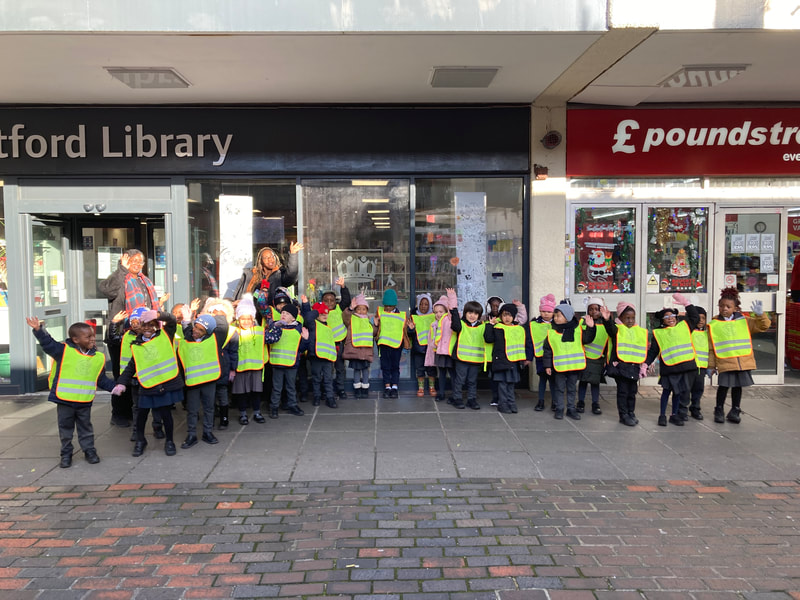
Our classes love to visit Catford Library and explore all of the wonderful texts! A librarian reads us a story, and we took lots of books back to school.
Book Week 2025
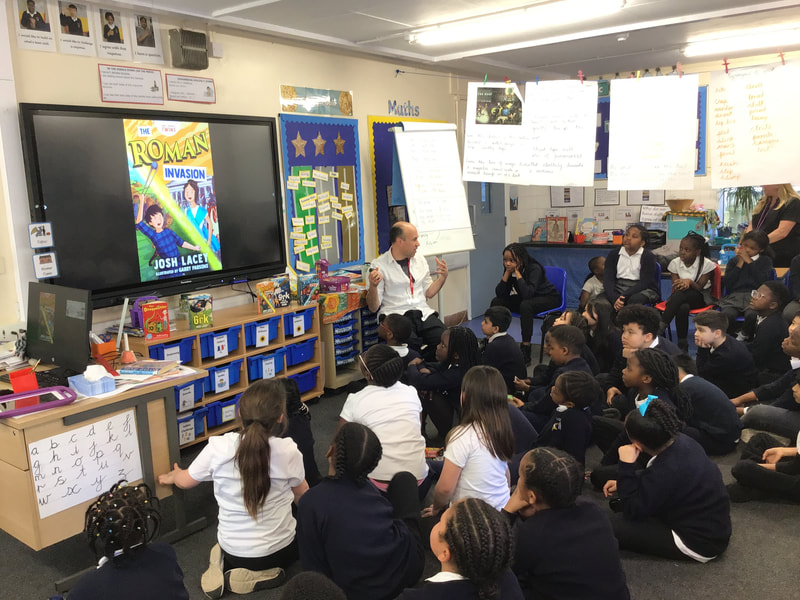
Once again, St Mary's enjoyed a fabulous week enjoying and celebrating books and reading. Our focus this year was 'The Book that made you fall in love with Reading'. The highlight of the week was a visit from Author Josh Lacey - who signed copies of his books for the children as well as giving them tips on how to become an Author.
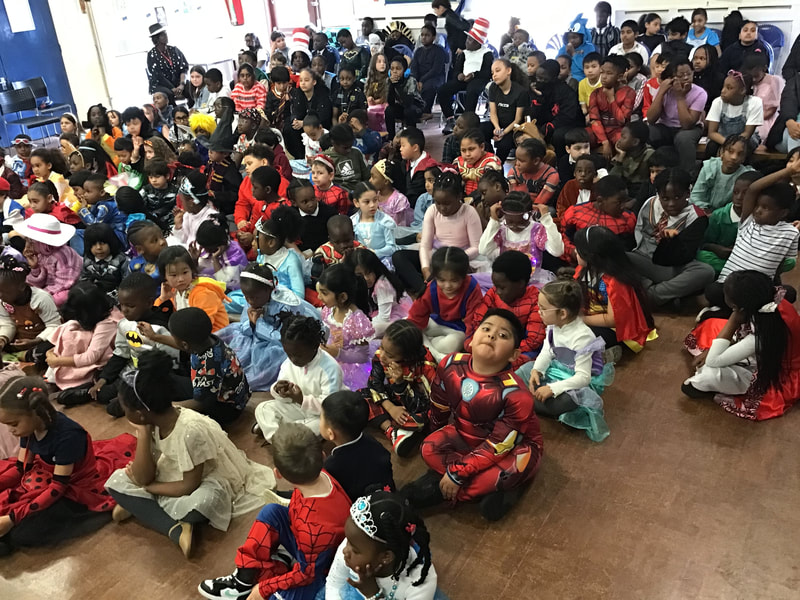
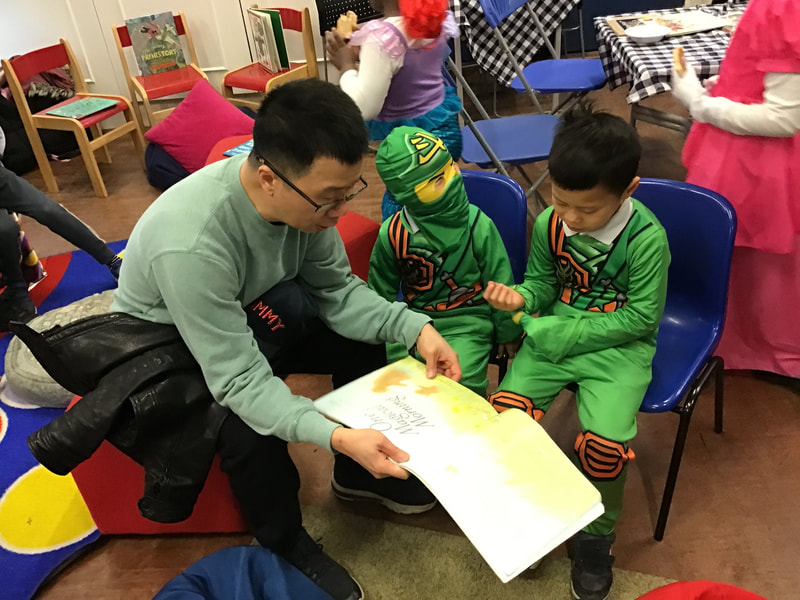
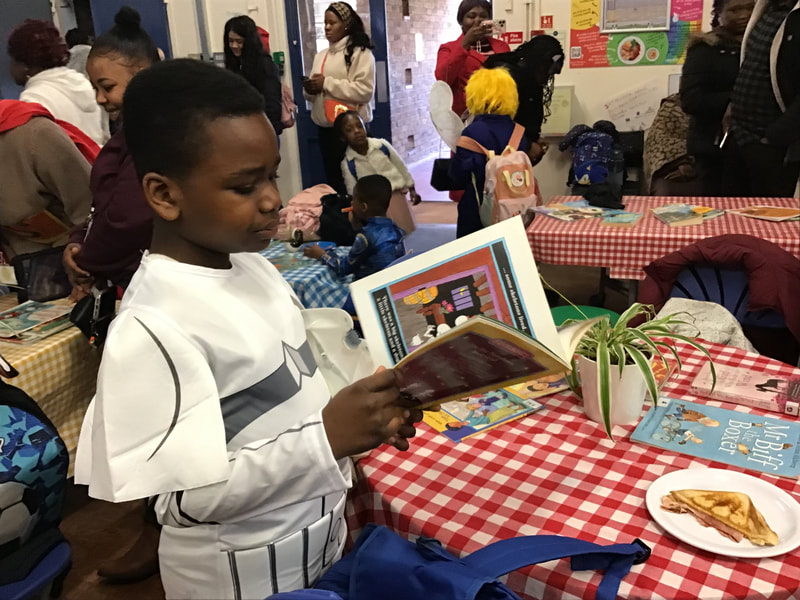
Other events included a Teacher Swap as each class enjoyed books from a surprise visiting teacher! A Reading Banquet offered the children a captivating menu of books to enjoy. Finally, the week was rounded off in style with our ‘Dress Up Day’ and a well attended 'Parents' Reading Breakfast'.