

Writing
Curriculum Progression
At St Mary’s we use the ‘Talk for Writing’ approach from Nursery to Year 2. The approach involves children learning stories and a variety of non-fiction texts off by heart, performing them, analysing them and using them as inspiration to create their own pieces of writing. Children gradually build up a bank of stories and non-fiction text types so that over time they can tell (and write) imaginative and exciting stories and confidently instruct, argue, discuss, explain, inform and persuade.
In EYFS and KS1, children are taught to spell phonetically in their daily Read Write Inc lessons and apply this learning to writing in many different contexts throughout each day. ‘Tricky words’ that cannot be spelled correctly using phonics are taught during Read Write Inc lessons too, and are given to the children to learn as part of their homework. In KS1, spellings are tested weekly.
Year 3 to Year 6 use Literacy Tree. In KS2, children investigate different spelling rules as part of their daily ‘Spelling Gym’ sessions. These sessions allow children to investigate spelling patterns and practise applying the rules that they discover. Children are given spellings to learn as part of their homework and these are tested weekly.
Handwriting is fully cursive and is taught at least 3 times per week in all year groups; teachers have high expectations of children’s handwriting and presentation at all times.
Click below to learn about our Writing Curriculum Intent, Implementation and Impact:
Intent
At St Mary’s Lewisham CE Primary School, our writing curriculum aims to develop children into creative, confident and highly proficient writers who take pride in their work. Writing is underpinned by our strong Christian ethos and reflects the diversity of our community and the wider world. We seek to nurture a love of language, reading and writing, ensuring that all pupils develop a rich vocabulary, secure grammatical knowledge and a high level of technical accuracy. Our curriculum is inclusive and ambitious, enabling all children to make progress from their individual starting points and to express their ideas clearly, purposefully and with confidence.
Implementation
Writing is taught through a carefully sequenced and progressive curriculum from Nursery to Year 6. High-quality texts sit at the heart of all writing units, ensuring that pupils learn to write by reading, analysing and imitating excellent models. In EYFS and Key Stage 1, the Talk for Writing approach supports children to move from imitation, through innovation, to independent application, with a strong emphasis on oral language development. In Key Stage 2, Literacy Tree planning ensures that children engage with challenging, engaging texts and have meaningful reasons to write across a range of genres and curriculum contexts.
Grammar, vocabulary and spelling are taught explicitly and in meaningful contexts, embedded within reading and writing rather than in isolation. Teachers model writing regularly through shared and modelled writing, and pupils are given frequent opportunities to edit and improve their work. Assessment for learning is integral to teaching, with ‘cold writes’, ongoing formative assessment and termly summative assessments used to inform planning and next steps. Provision is adapted to meet individual needs, including targeted support for pupils with SEND and those new to English, ensuring equity of access and high expectations for all.
Impact
Grammar, vocabulary and spelling are taught explicitly and in meaningful contexts, embedded within reading and writing rather than in isolation. Teachers model writing regularly through shared and modelled writing, and pupils are given frequent opportunities to edit and improve their work. Assessment for learning is integral to teaching, with ‘cold writes’, ongoing formative assessment and termly summative assessments used to inform planning and next steps. Provision is adapted to meet individual needs, including targeted support for pupils with SEND and those new to English, ensuring equity of access and high expectations for all.
Amazing Authors
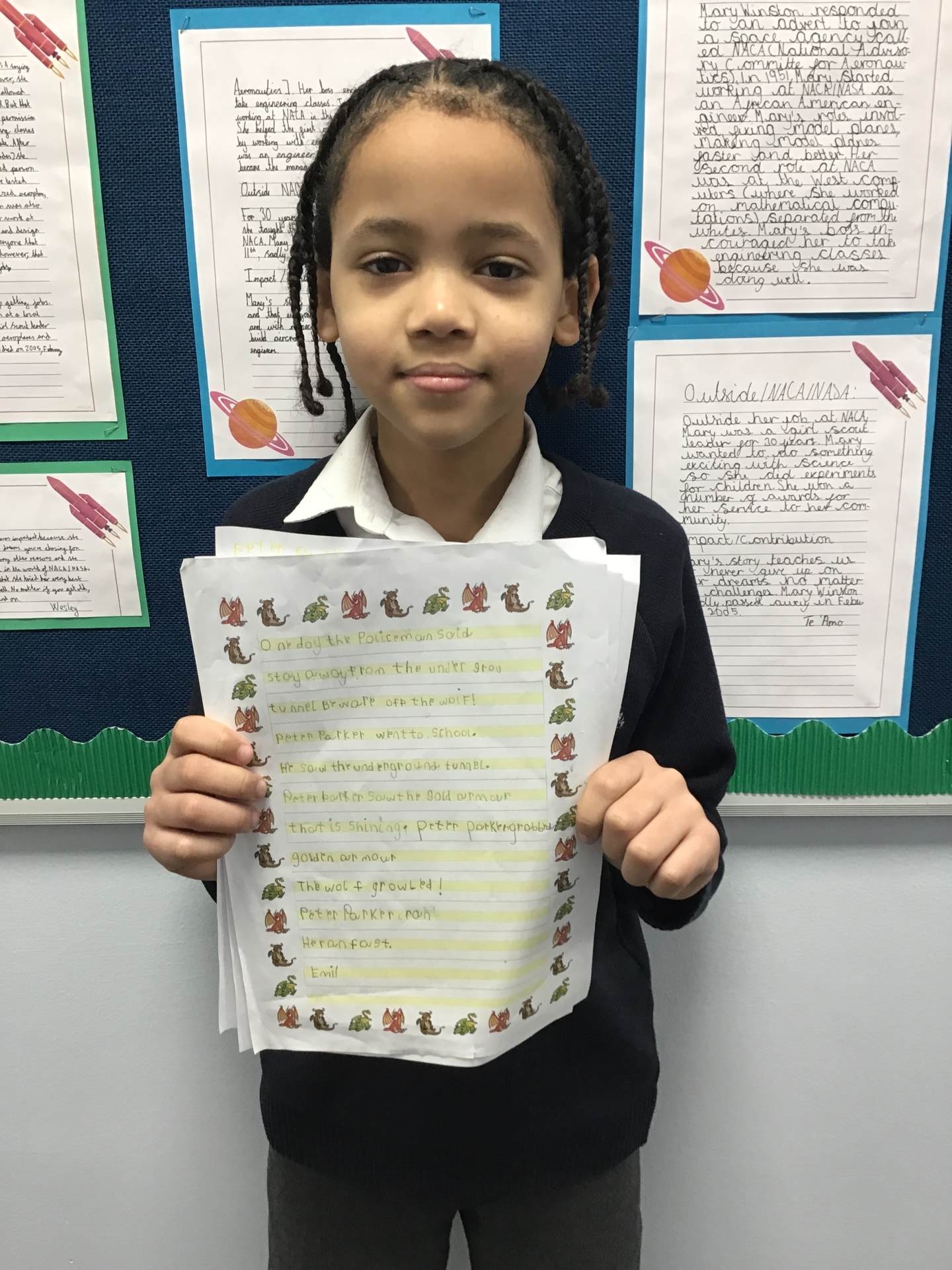
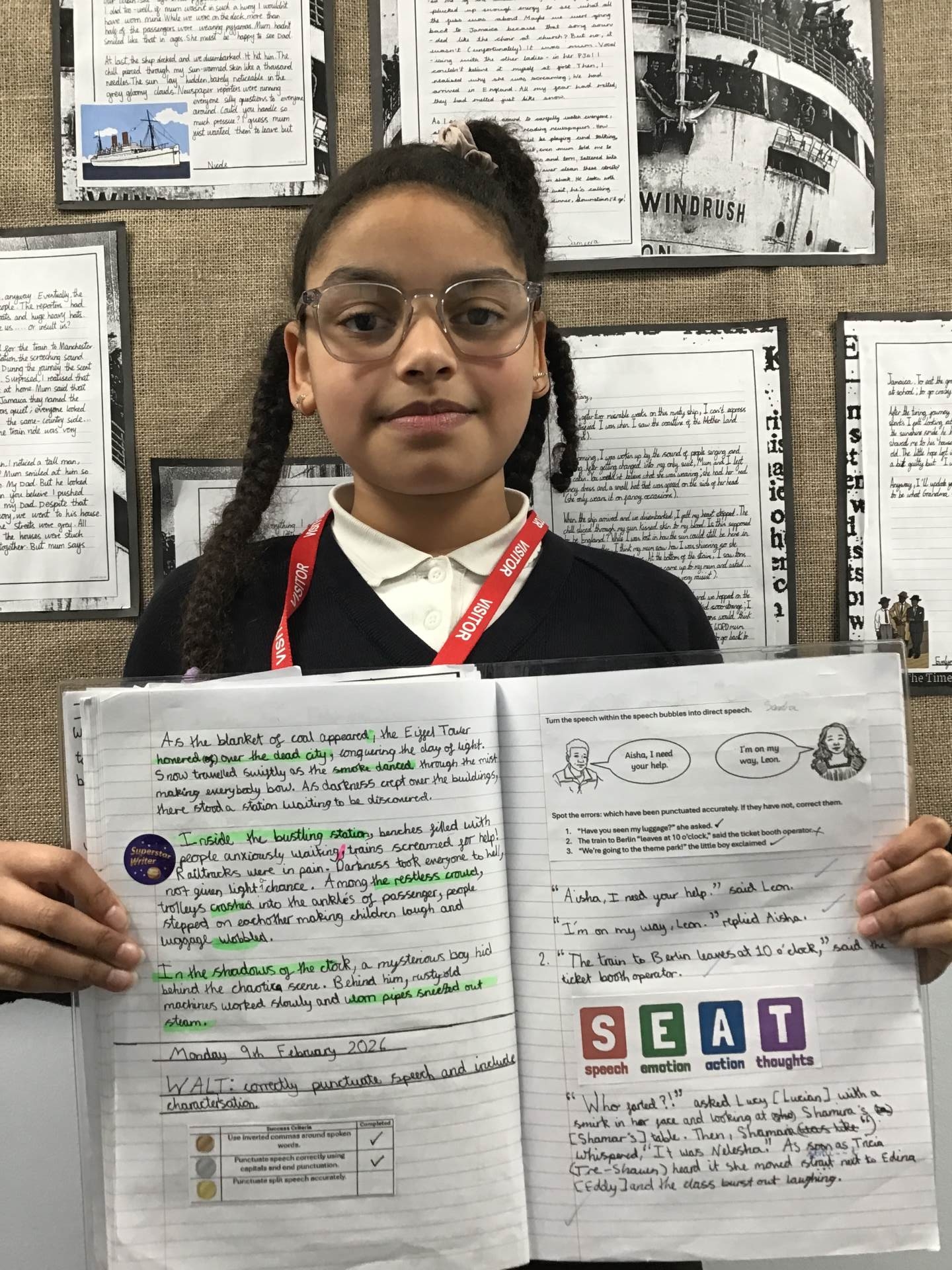
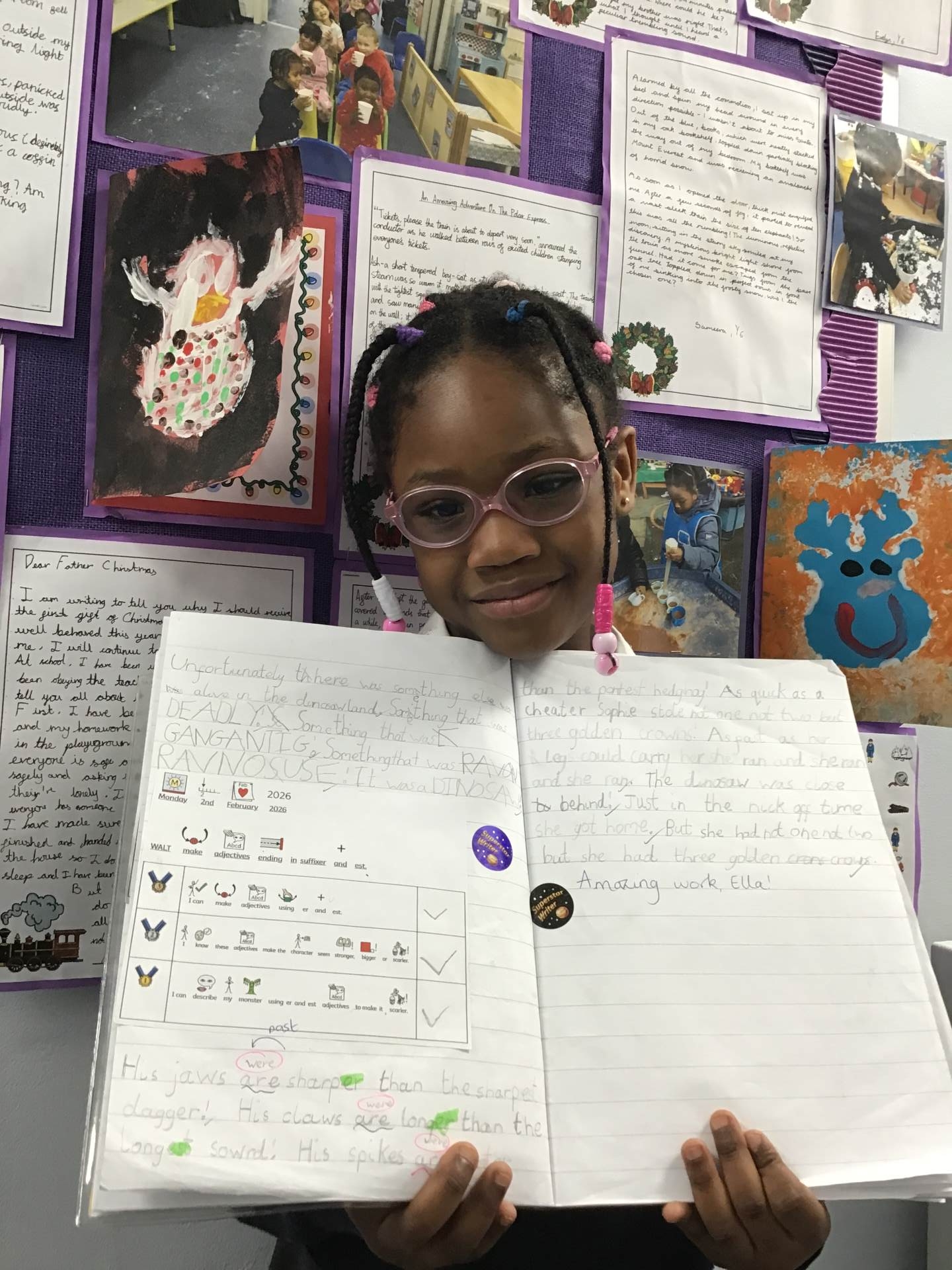
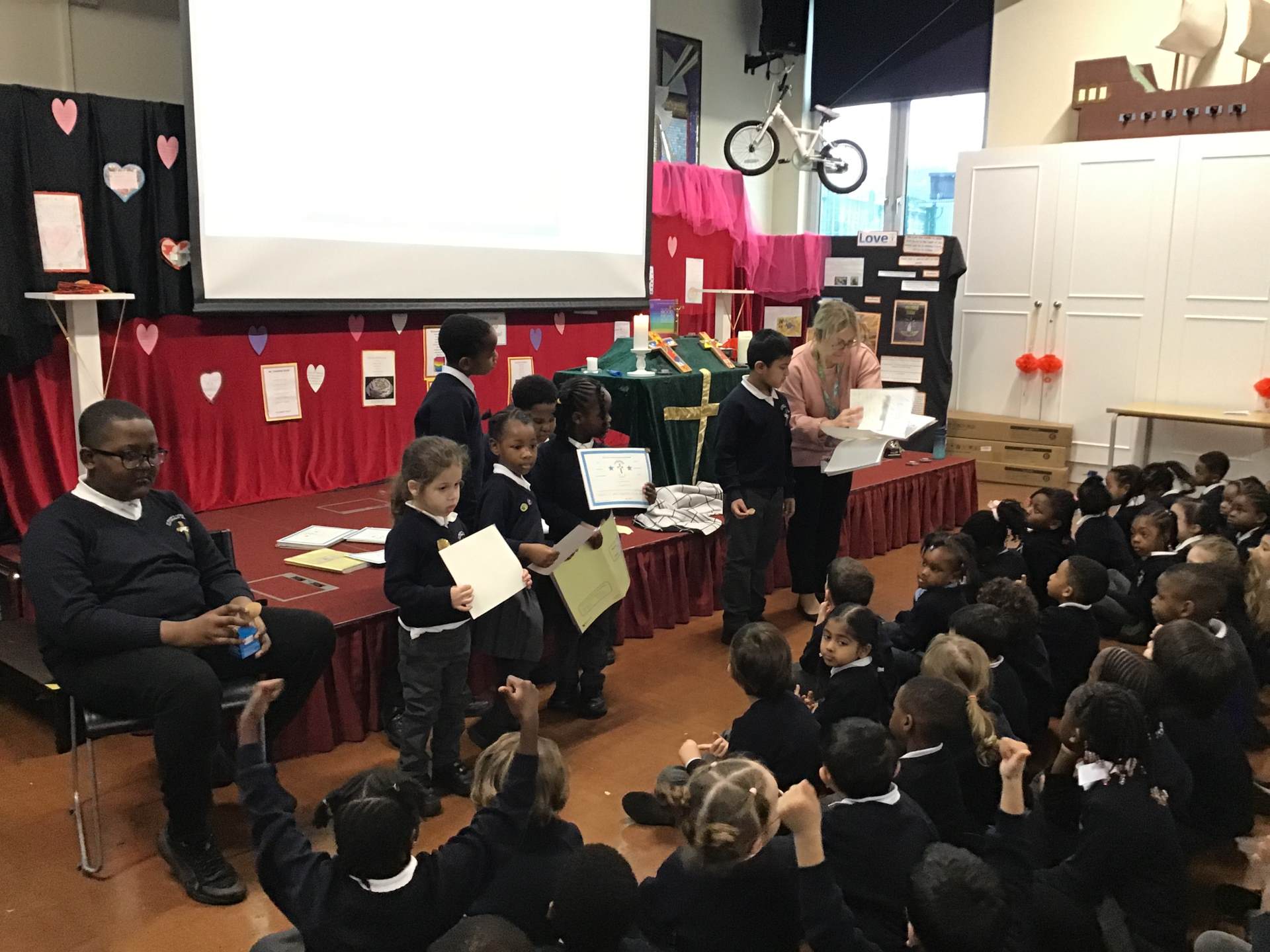
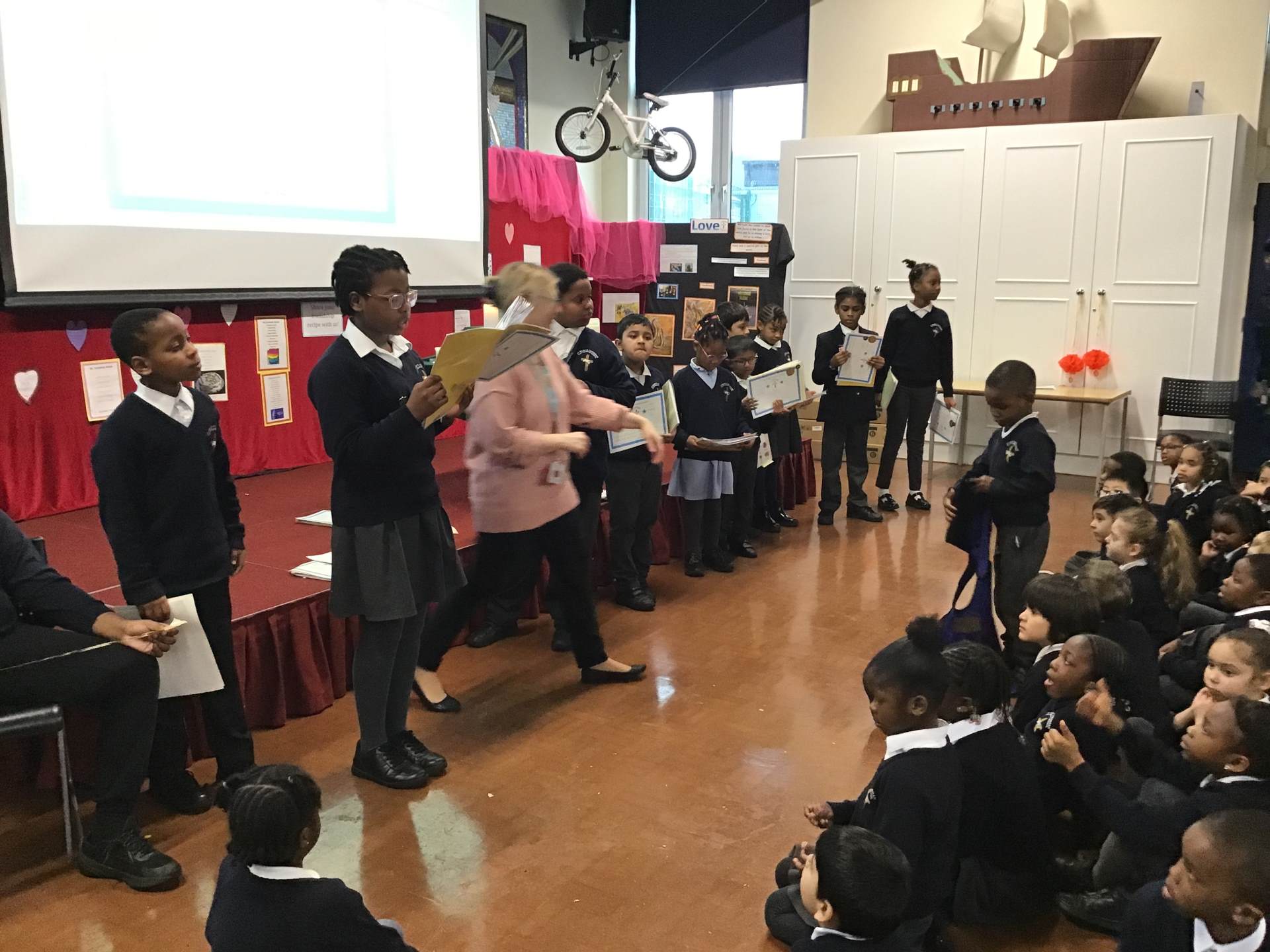
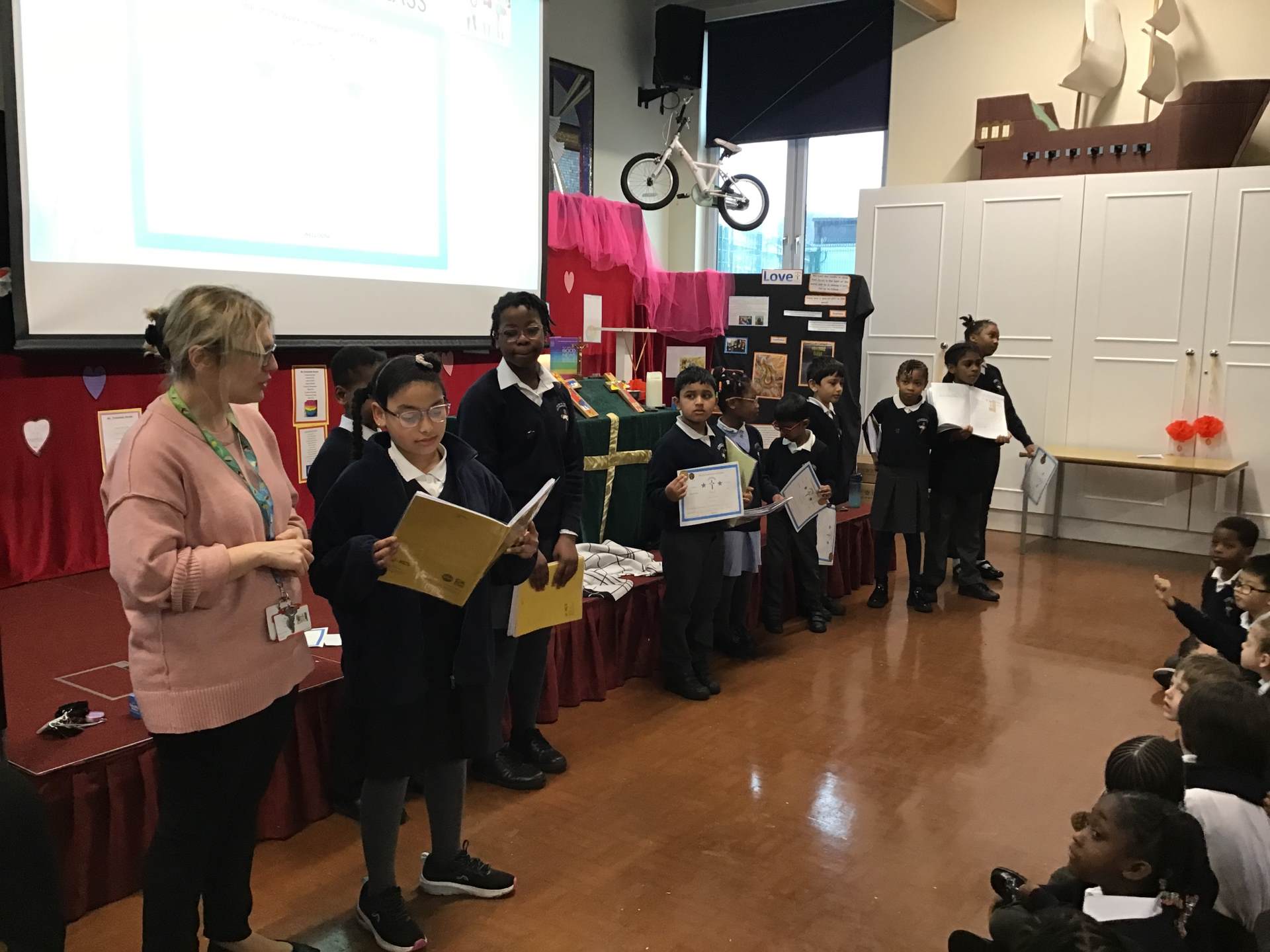
Mrs Stead led a very special celebration worship as our authors shared their incredible writing. Children draft and edit their work before publishing their work, showing an awareness of the audience as they learn new genres. You can enjoy some of their published work in our newsletter, as well as seeing the writing published on displays around the School.
6 week Writing workshop led by a published Author
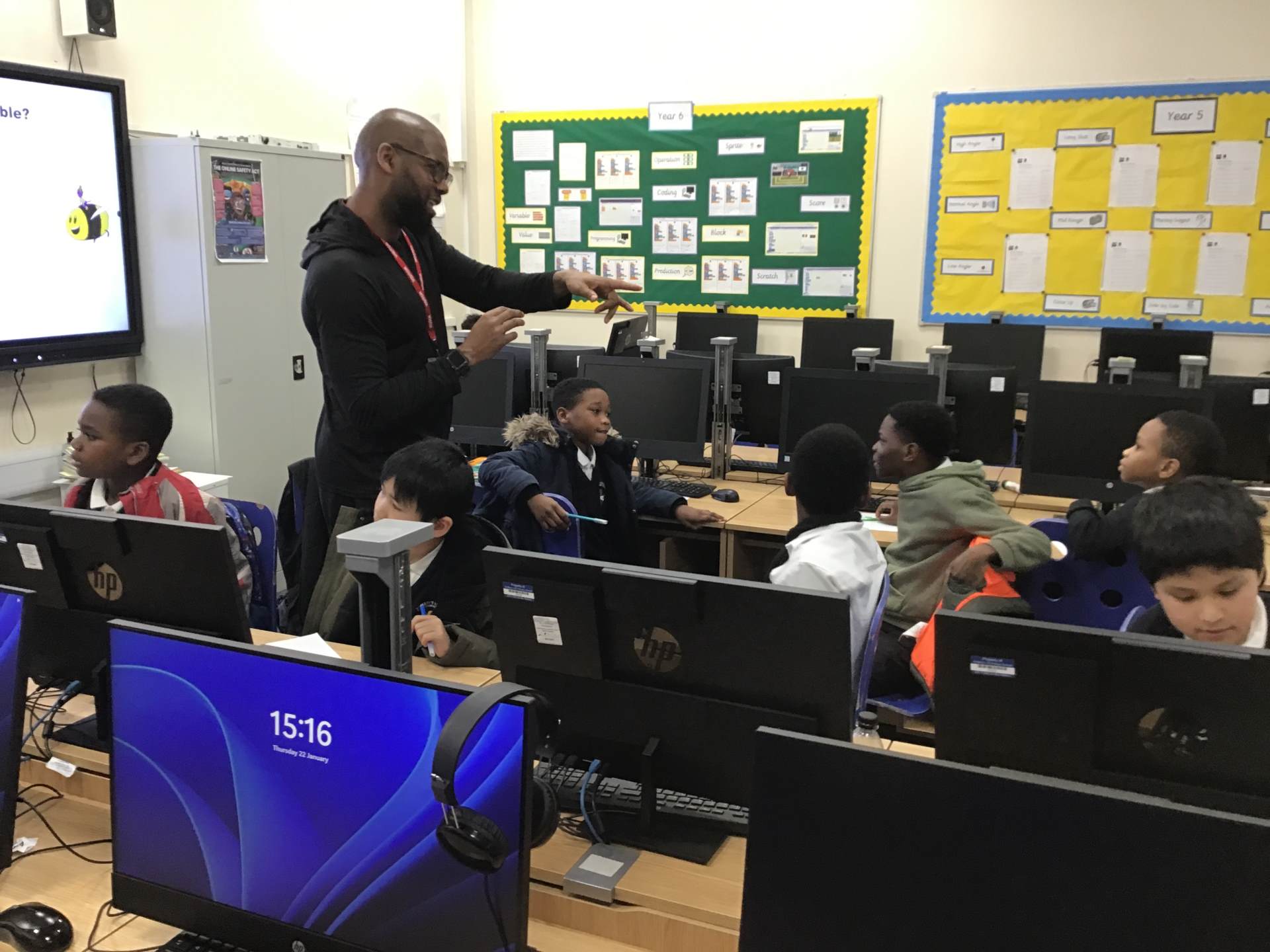
A group of boys in Year 5 and Year 6 have benefitted from a 6 week programme to boost their writing. Led by a local author, Wayne Jordan, the outcome will be for each child to draft, edit and publish their own story.
Newspaper Club
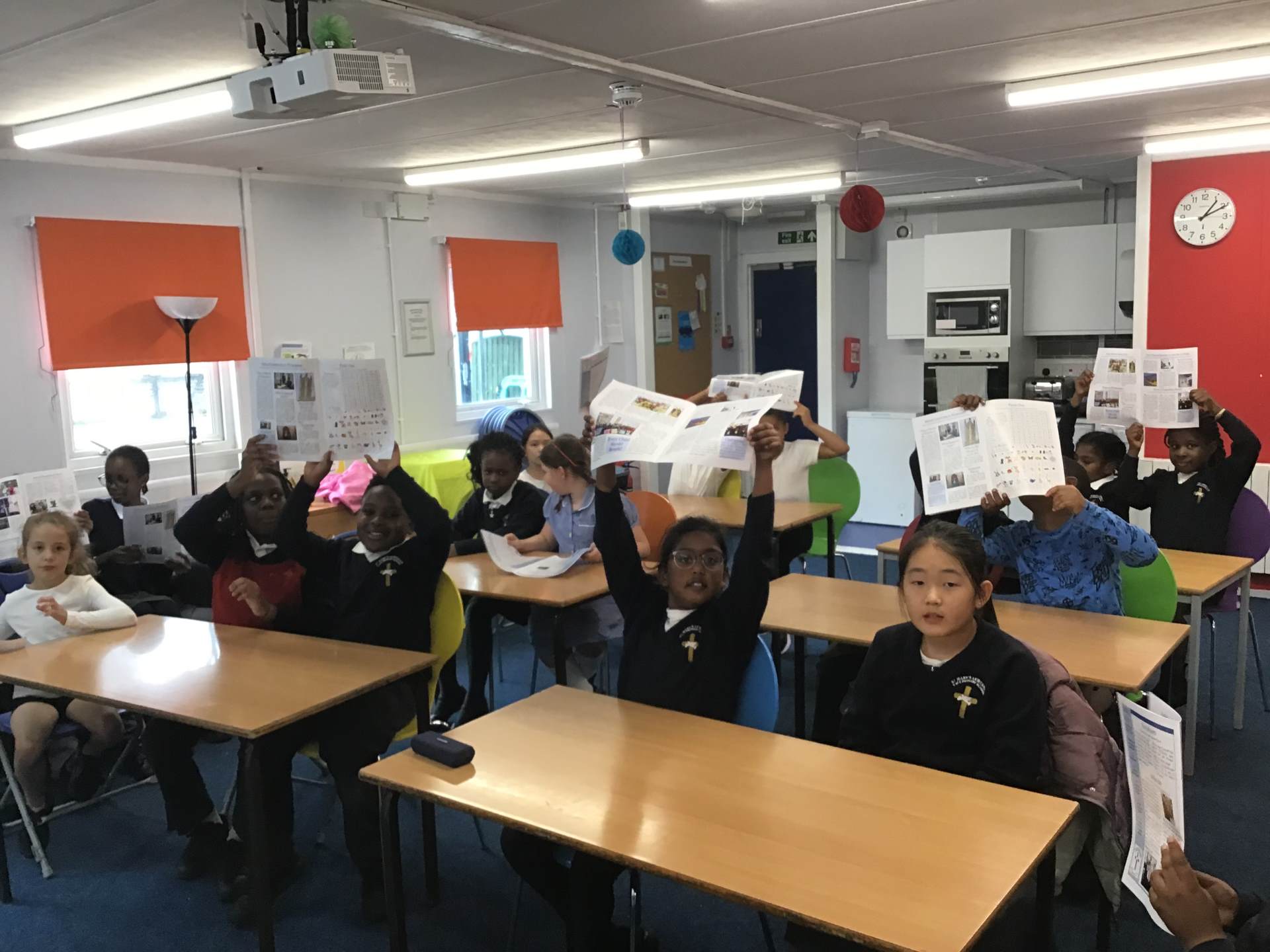
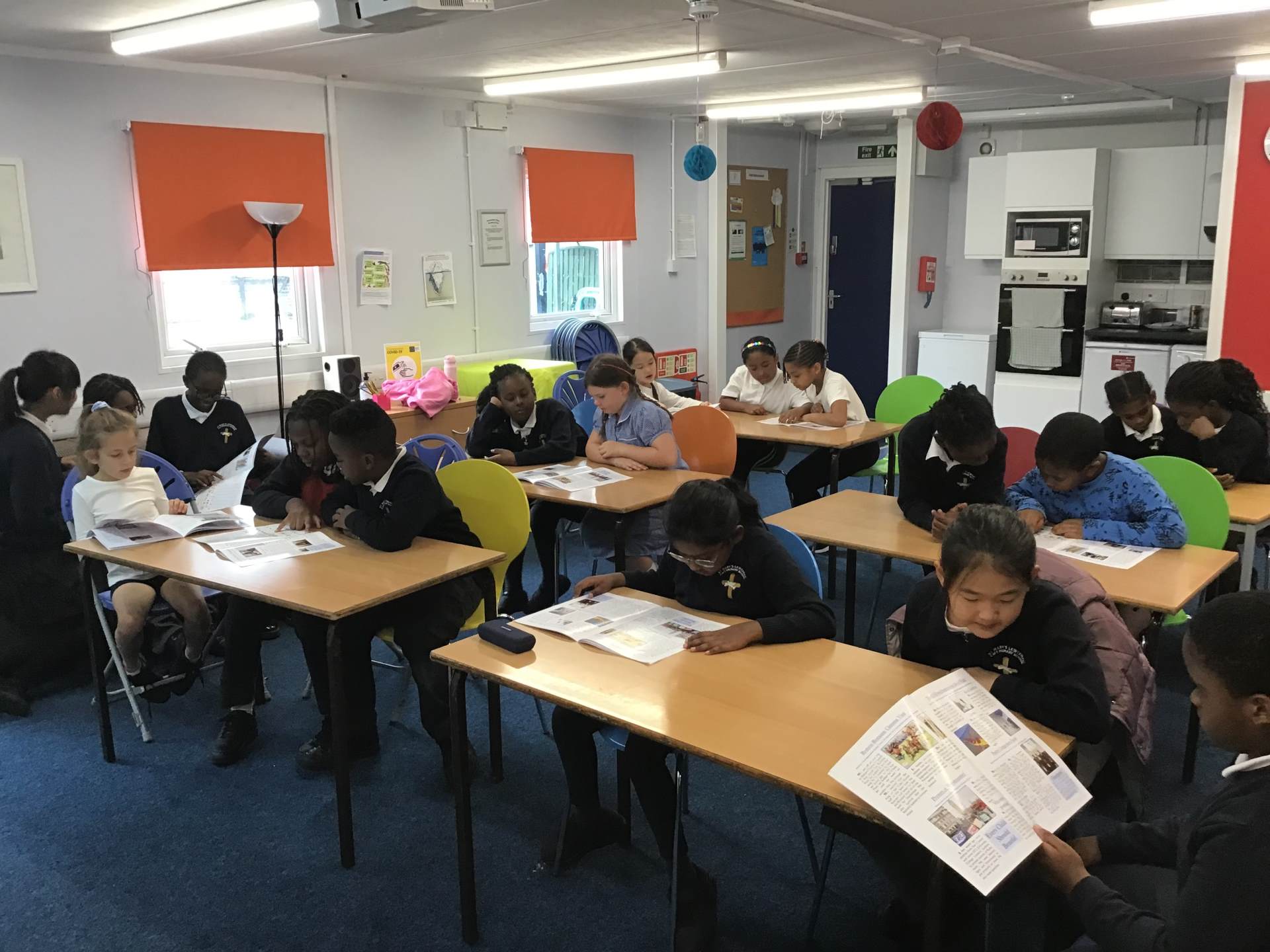
Our amazing journalists plan, research, interview, draft, edit and publish our termly newspaper. There is always a wide range of interesting articles about School life, special events and people. You can read the latest edition here: St Mary's Community Messenger Autumn 2025.
Writing - Forest School story settings
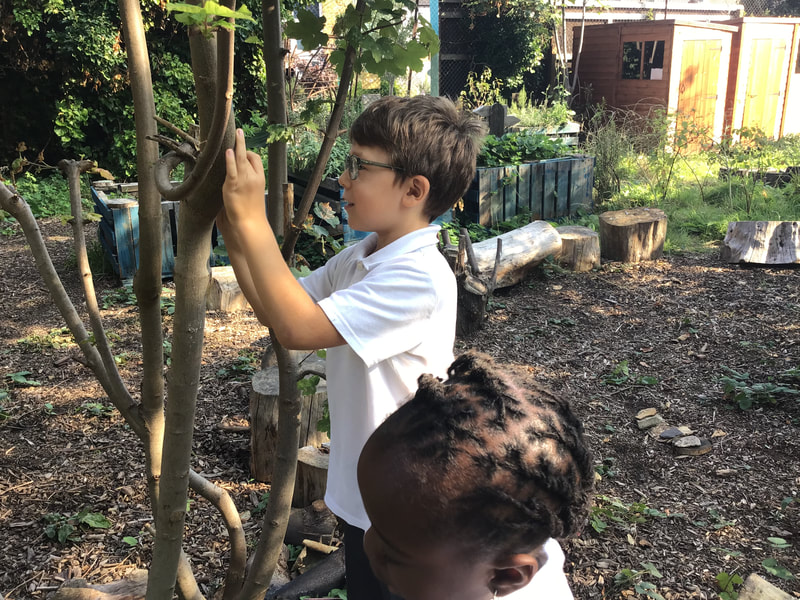
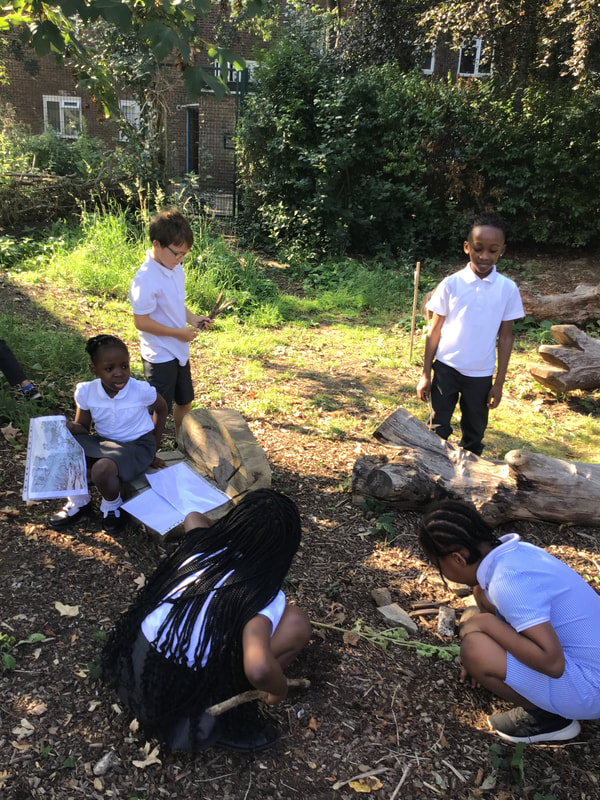
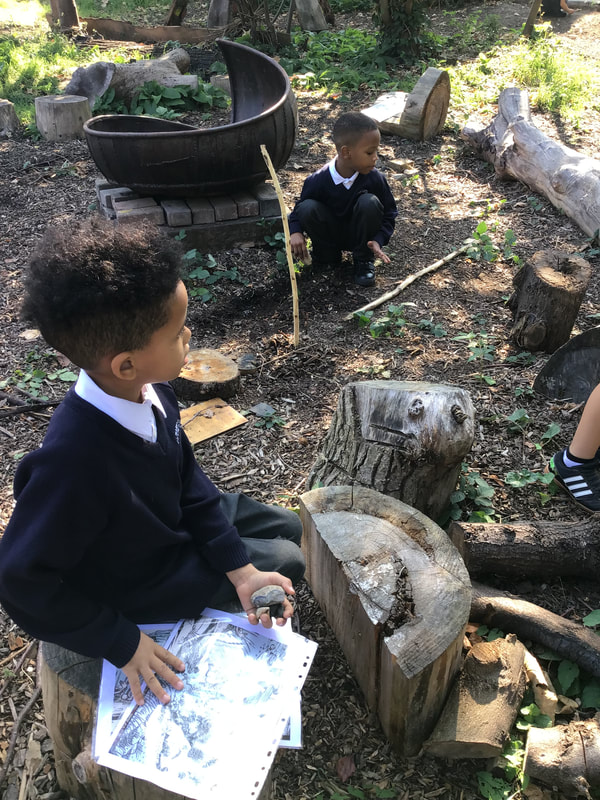
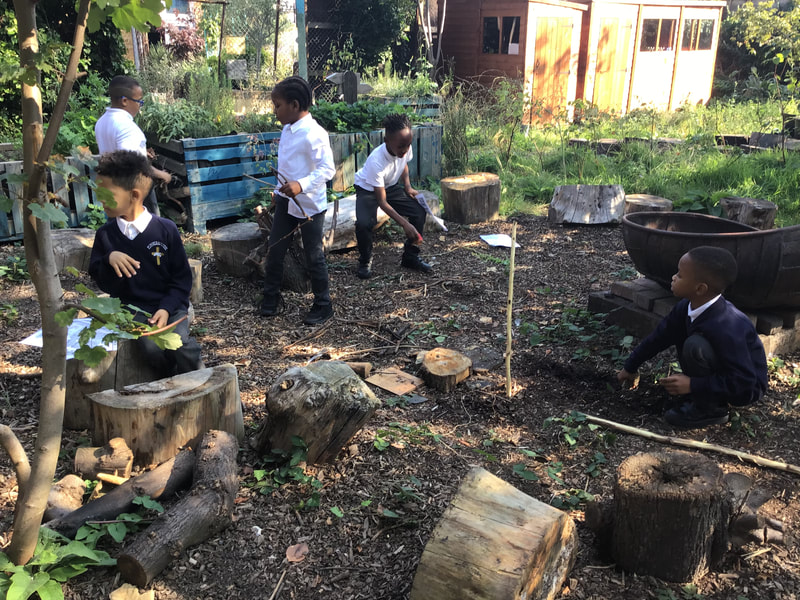
The children had a great time in the Forest School, gathering resources to build story settings and to make a home for Kevin (the flying pony) who is the main character in their class reading book.